Machine Learning in Healthcare CRM Systems
The healthcare industry is rapidly adopting advanced technologies to improve patient care, streamline operations, and enhance decision-making. One of the

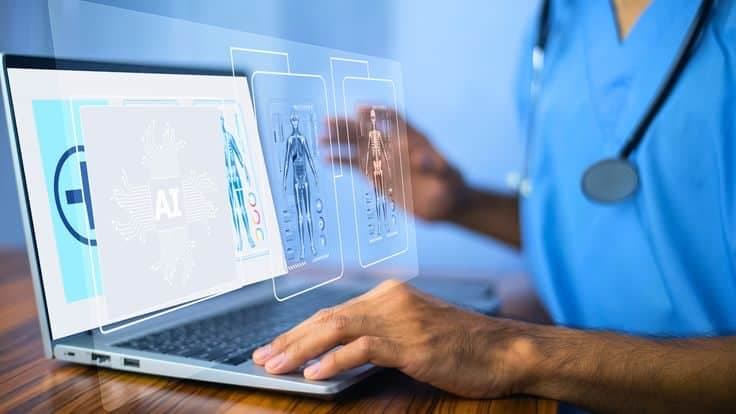
The healthcare industry is rapidly adopting advanced technologies to improve patient care, streamline operations, and enhance decision-making. One of the most impactful innovations is Machine Learning (ML). By integrating machine learning into Healthcare Customer Relationship Management (CRM) systems, healthcare providers can better understand patient needs, automate routine tasks, and deliver more personalized experiences. Understanding the role of machine learning in Healthcare CRM systems can help hospitals, clinics, and healthcare organizations improve efficiency while providing high-quality patient care.
Machine learning enables CRM systems to analyze large amounts of patient data, identify patterns, and generate insights that support better clinical and administrative decisions.
What Is Machine Learning?
Machine learning is a branch of artificial intelligence (AI) that enables computer systems to learn from data without being explicitly programmed for every task. Instead of following fixed rules, machine learning algorithms analyze historical information, recognize patterns, and make predictions or recommendations based on the data they process.
In healthcare, machine learning can help automate workflows, improve patient communication, predict health trends, and support data-driven decision-making.
What Is a Healthcare CRM System?
A Healthcare Customer Relationship Management (CRM) system is a platform that helps healthcare organizations manage patient interactions throughout the entire patient journey. It stores patient information, appointment history, communication records, treatment preferences, and feedback in a centralized location.
Healthcare CRM systems improve communication, strengthen patient relationships, automate administrative processes, and enhance the overall patient experience.
When machine learning is integrated into a Healthcare CRM, the system becomes smarter by continuously learning from patient data and improving its recommendations over time.
Benefits of Machine Learning in Healthcare CRM Systems
Personalized Patient Communication
Every patient has unique healthcare needs and preferences. Machine learning analyzes patient history, demographics, appointment records, and communication patterns to deliver personalized messages.
Healthcare providers can send customized appointment reminders, preventive care notifications, wellness tips, and follow-up recommendations that are relevant to each patient, improving engagement and satisfaction.
Predictive Patient Insights
Machine learning helps Healthcare CRM systems identify patterns that may indicate future healthcare needs. By analyzing historical data, the system can predict which patients are more likely to miss appointments, require follow-up care, or benefit from preventive screenings.
These predictive insights allow healthcare providers to take proactive measures that improve patient outcomes and reduce administrative challenges.
Smarter Appointment Management
Missed appointments can disrupt healthcare operations and reduce efficiency. Machine learning can analyze scheduling trends and patient behavior to predict appointment cancellations or no-shows.
Healthcare organizations can use these insights to optimize scheduling, send timely reminders, or adjust appointment availability to improve resource utilization.
Automated Patient Segmentation
Healthcare providers often serve patients with diverse medical conditions and care requirements. Machine learning automatically groups patients based on factors such as age, medical history, chronic conditions, treatment plans, or healthcare preferences.
This segmentation enables targeted communication campaigns, personalized health education, and more effective patient engagement strategies.
Improved Patient Retention
Maintaining long-term relationships with patients is essential for healthcare providers. Machine learning helps identify patients who may be less engaged or at risk of discontinuing treatment.
Healthcare CRM systems can then trigger personalized follow-up messages, wellness reminders, or educational content to encourage continued engagement and improve patient retention.
Enhancing Clinical Decision Support
Although Healthcare CRM systems are primarily designed for patient relationship management, machine learning can also support healthcare teams by providing valuable insights based on patient data.
For example, machine learning can identify trends in patient interactions, highlight potential follow-up opportunities, and recommend personalized care plans based on historical information. These insights help healthcare providers make informed decisions while improving coordination across departments.
Improving Operational Efficiency
Machine learning automates many repetitive administrative tasks within Healthcare CRM systems, reducing manual effort and increasing productivity.
Examples include:
- Automating appointment reminders
- Prioritizing patient inquiries
- Organizing patient records
- Detecting duplicate data
- Routing support requests
- Generating performance reports
Automation allows healthcare staff to spend more time focusing on patient care rather than administrative work.
Data Analysis and Reporting
Healthcare organizations generate large volumes of patient data every day. Machine learning enables CRM systems to analyze this information quickly and identify valuable insights.
Advanced reporting features can help healthcare administrators monitor patient engagement, appointment trends, communication performance, and operational efficiency. These insights support better planning and continuous improvement.
Data Security and Privacy
Healthcare CRM systems handle sensitive patient information, making security a top priority. While machine learning enhances system capabilities, organizations must ensure that patient data remains protected.
Modern Healthcare CRM platforms implement strong security measures such as:
- Data encryption
- Role-based access control
- Secure authentication
- Audit logs
- Regular security monitoring
- Compliance with healthcare privacy regulations
Responsible use of machine learning includes maintaining transparency, protecting patient confidentiality, and ensuring that data is used ethically.
Challenges of Implementing Machine Learning
Although machine learning offers significant benefits, healthcare organizations may face several challenges during implementation.
These include ensuring high-quality data, integrating with existing healthcare systems, training staff to use new technologies, maintaining data privacy, and continuously monitoring machine learning models for accuracy.
Addressing these challenges through proper planning and governance helps maximize the value of machine learning in Healthcare CRM systems.
Future of Machine Learning in Healthcare CRM
As artificial intelligence continues to evolve, machine learning will play an even greater role in Healthcare CRM systems. Future solutions are expected to provide more accurate predictive analytics, intelligent virtual assistants, personalized patient journeys, automated workflow optimization, and deeper integration with electronic health records, telemedicine platforms, and wearable health devices.
These advancements will help healthcare organizations deliver more proactive, efficient, and patient-centered care while improving operational performance.
Understanding machine learning in Healthcare CRM systems is essential for healthcare organizations seeking to improve patient engagement, operational efficiency, and decision-making. By analyzing patient data, predicting healthcare needs, automating administrative tasks, and enabling personalized communication, machine learning transforms traditional CRM platforms into intelligent healthcare solutions.
As technology continues to advance, integrating machine learning into Healthcare CRM systems will become increasingly important for hospitals, clinics, and medical practices looking to deliver exceptional patient experiences and improve long-term healthcare outcomes.
The Doctorna editorial desk writes about healthcare operations, patient experience and the systems clinics use to connect them.