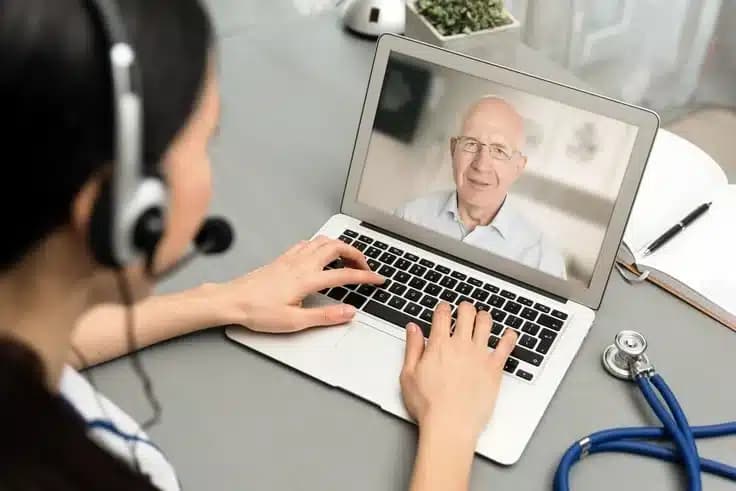
Mobile CRM in Healthcare Industry
The healthcare industry is rapidly embracing digital technologies to improve patient care, streamline operations, and enhance communication. One of the


The healthcare industry is rapidly embracing digital technologies to improve patient care, streamline operations, and enhance communication. One of the most valuable innovations is Mobile CRM in Healthcare Industry, which allows healthcare professionals to access patient information, manage appointments, communicate with patients, and perform essential tasks directly from their smartphones or tablets. By bringing CRM capabilities to mobile devices, healthcare organizations can provide faster, more personalized, and efficient care while improving overall productivity.
Whether used by hospitals, clinics, dental practices, or home healthcare providers, a mobile CRM empowers medical teams to stay connected and make informed decisions wherever they are.
What Is Mobile CRM in Healthcare?
Mobile CRM in Healthcare Industry refers to a mobile-enabled Customer Relationship Management system that allows healthcare professionals to securely access and manage patient data through smartphones, tablets, or other mobile devices. It extends the functionality of a traditional healthcare CRM, enabling real-time communication, appointment management, patient engagement, and workflow automation from virtually any location.
Mobile CRM helps healthcare organizations improve collaboration, reduce administrative tasks, and ensure that critical patient information is always accessible when needed.
Why Mobile CRM Is Important in Healthcare
Healthcare professionals often work in dynamic environments where immediate access to patient information is essential. Mobile CRM enables doctors, nurses, administrators, and support staff to stay connected without being tied to a desktop computer.
Key benefits include:
- Faster access to patient information
- Improved communication between healthcare teams
- Better patient engagement
- Increased operational efficiency
- Reduced paperwork
- Faster response times
- Improved decision-making
- Enhanced patient satisfaction
These advantages contribute to better healthcare delivery and improved patient outcomes.
Key Features of Mobile CRM in Healthcare
A modern mobile CRM includes a variety of features designed to support healthcare providers and improve patient experiences.
Secure Patient Records Access
Healthcare professionals can securely access patient profiles, appointment histories, communication records, and treatment information while maintaining data privacy.
Appointment Scheduling
Mobile CRM allows staff to schedule, modify, confirm, or cancel appointments in real time, helping reduce scheduling conflicts and improve clinic efficiency.
Automated Patient Communication
Healthcare providers can send:
- Appointment reminders
- Follow-up messages
- Prescription refill notifications
- Health education materials
- Wellness campaign updates
- Patient satisfaction surveys
Automated communication improves patient engagement while reducing administrative workload.
Real-Time Notifications
Instant alerts help healthcare teams stay informed about appointment changes, urgent patient requests, follow-up tasks, and important updates.
Task Management
Doctors and administrative staff can create, assign, and track tasks directly from their mobile devices, ensuring important responsibilities are completed on time.
Benefits of Mobile CRM for Healthcare Organizations
Implementing Mobile CRM in Healthcare Industry provides several operational and clinical advantages.
Improved Patient Engagement
Mobile CRM enables personalized communication, faster responses, and convenient appointment management, strengthening relationships between providers and patients.
Increased Staff Productivity
Healthcare professionals spend less time on manual administrative tasks and more time focusing on patient care.
Better Care Coordination
Medical teams can share information, update patient records, and coordinate treatment plans in real time, improving collaboration across departments.
Faster Decision-Making
Immediate access to patient information enables healthcare providers to make informed clinical decisions quickly, especially in urgent situations.
Enhanced Operational Efficiency
Automation of scheduling, communication, and follow-up processes reduces administrative workload while improving workflow efficiency.
Security and Data Protection
Protecting patient information is a top priority when using mobile technology.
A secure healthcare mobile CRM should include:
- Data encryption
- Multi-factor authentication
- Role-based access controls
- Secure cloud storage
- Automatic session timeouts
- Audit logs
- Remote device management
- Regular security updates
Strong security measures help safeguard sensitive healthcare information and maintain patient trust.
Integration with Healthcare Systems
An effective mobile CRM should integrate seamlessly with existing healthcare technologies, including:
- Electronic Health Records (EHR)
- Electronic Medical Records (EMR)
- Hospital Information Systems (HIS)
- Practice Management Software
- Billing systems
- Telemedicine platforms
- Laboratory systems
- Patient portals
System integration eliminates duplicate data entry and improves operational efficiency.
Best Practices for Implementing Mobile CRM
To maximize the value of a mobile CRM, healthcare organizations should:
- Select a secure and scalable platform
- Train staff thoroughly
- Define user access permissions
- Enable automatic data synchronization
- Monitor system performance
- Regularly update the application
- Encourage staff adoption
- Continuously evaluate workflows and patient feedback
Following these best practices ensures successful implementation and long-term benefits.
Future Trends in Mobile CRM for Healthcare
Mobile CRM technology continues to evolve with innovations that enhance patient care and operational efficiency.
Emerging trends include:
- Artificial Intelligence (AI)-powered patient engagement
- Predictive analytics for personalized care
- Voice-enabled mobile assistants
- Telehealth integration
- Remote patient monitoring
- Wearable device connectivity
- Automated workflow management
- Advanced mobile security features
These technologies will further strengthen the role of mobile CRM in delivering connected, patient-centered healthcare.
Mobile CRM in Healthcare Industry is transforming how healthcare organizations manage patient relationships, streamline operations, and deliver high-quality care. By providing secure access to patient information, automating communication, simplifying appointment management, and supporting real-time collaboration, mobile CRM empowers healthcare professionals to work more efficiently while improving patient experiences.
As healthcare continues to embrace digital transformation, investing in a robust mobile CRM solution enables organizations to enhance productivity, strengthen patient engagement, and provide responsive, high-quality care anytime and anywhere.
The Doctorna editorial desk writes about healthcare operations, patient experience and the systems clinics use to connect them.