Strategies to Improve Patient Retention with CRM
Patient retention is an important factor in the long-term success of hospitals, clinics, dental practices, and other healthcare organizations. Attracting


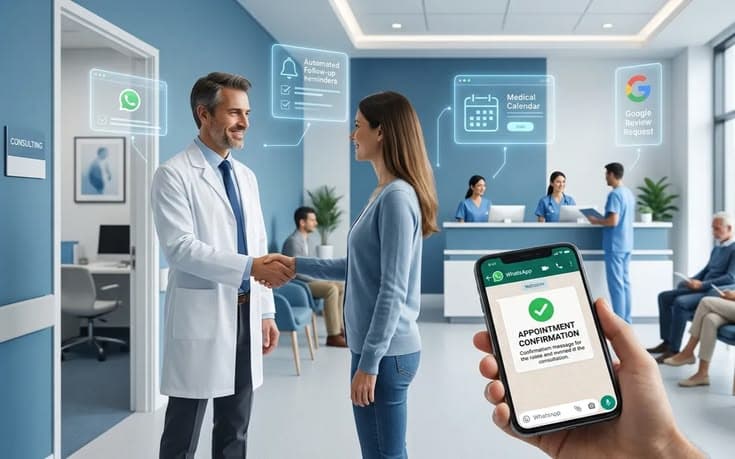
Patient retention is an important factor in the long-term success of hospitals, clinics, dental practices, and other healthcare organizations. Attracting new patients is valuable, but maintaining strong relationships with existing patients helps support continuity of care, improve patient satisfaction, and create a more reliable healthcare experience. This is where strategies to improve patient retention with CRM can make a significant difference.
A healthcare Customer Relationship Management (CRM) system helps providers organize patient interactions, manage appointment communication, monitor follow-ups, and deliver personalized experiences. By using CRM technology effectively, healthcare organizations can understand patient needs, maintain consistent communication, and encourage patients to remain engaged with their care.
In this article, we explore practical strategies healthcare providers can implement to improve patient retention using CRM systems.
What Is a Healthcare CRM System?
A healthcare CRM system is a digital platform that helps healthcare organizations manage patient relationships and communication throughout the patient journey. Depending on its capabilities and integrations, it may support appointment reminders, patient inquiries, follow-up communication, feedback collection, and engagement reporting.
Unlike systems primarily designed for clinical documentation or billing, a healthcare CRM focuses on managing patient interactions and improving communication between healthcare providers and patients. Some platforms integrate with electronic health records, practice management software, and appointment scheduling systems to provide a more connected workflow.
For example, a dental clinic can use CRM software to send routine checkup reminders, follow up after treatment, and inform patients about upcoming appointments. These activities help maintain engagement while reducing the administrative effort required from staff.
1. Personalize Patient Communication
Personalized communication is one of the most effective strategies for improving patient retention. Patients are more likely to engage with messages that are relevant to their needs rather than receiving generic notifications that do not address their circumstances.
A healthcare CRM can organize communication preferences, appointment history, and relevant interaction details to help staff deliver more appropriate messages.
For example, a dental clinic may send routine checkup reminders based on the schedule recommended by the treating dentist. A physiotherapy center may coordinate appointment follow-ups according to an agreed treatment schedule.
Personalization should remain relevant, respectful, and appropriate to the patient's consent and communication preferences. Sensitive medical information should not be included in unsecured messages.
By making communication more useful and convenient, healthcare organizations can encourage stronger patient relationships.
2. Automate Appointment Reminders and Follow-Ups
Missed appointments and forgotten follow-ups can interrupt care and create scheduling difficulties for healthcare providers. CRM automation helps reduce these problems by delivering timely reminders and follow-up messages.
Healthcare organizations can configure automated notifications for upcoming appointments, appointment confirmations, rescheduling requests, and routine follow-ups.
For example, a clinic might send a reminder before a scheduled consultation and a follow-up message afterward with appropriate instructions or information about arranging another visit.
Automation reduces the need for staff to contact every patient manually. It also helps ensure that communication happens consistently, even during busy periods.
However, automated reminders should be carefully configured to avoid excessive messaging. Patients should have clear ways to confirm, cancel, or reschedule appointments when supported by the system.
3. Build Strong Patient Relationships Through Consistent Engagement
Patient retention depends on more than appointment reminders. Consistent and helpful communication can make patients feel supported throughout their healthcare journey.
A CRM system helps healthcare teams maintain organized communication records and identify appropriate opportunities for engagement.
For example, a clinic can send relevant educational content, preventive care reminders, or general wellness information to patients who have agreed to receive such communications.
Healthcare providers can also use CRM workflows to follow up on unanswered inquiries, appointment requests, or patient concerns.
The goal is to provide useful information and make it easier for patients to access care, rather than sending frequent promotional messages. Consistent, patient-centered engagement can help build trust and encourage continued interaction with the healthcare organization.
4. Improve the Patient Experience with Timely Support
A positive patient experience plays an important role in retention. Long response times, confusing appointment procedures, and unanswered questions can discourage patients from returning.
CRM software can help centralize patient inquiries from supported channels, such as phone calls, email, website forms, and messaging platforms. This allows staff to track requests, assign responsibilities, and follow up when necessary.
For example, if a patient asks about clinic timings or appointment availability, the CRM can help staff record the inquiry and ensure that a response is provided.
Some systems also support automated responses to common administrative questions. More complex medical concerns should be directed to qualified healthcare professionals rather than handled through unverified automated advice.
By improving response management and reducing communication gaps, healthcare organizations can deliver a more convenient patient experience.
5. Collect and Act on Patient Feedback
Patient feedback provides valuable information about the quality of healthcare services and the overall experience. However, collecting feedback is only useful when organizations review the results and take appropriate action.
A CRM system can help distribute patient satisfaction surveys, record feedback, categorize concerns, and track follow-up activities.
For example, patients may report difficulties with appointment scheduling, waiting times, communication, or billing clarity. Healthcare administrators can analyze recurring themes and work with relevant teams to improve these processes.
When patients raise concerns, staff should respond professionally and resolve issues through appropriate channels. Feedback should be handled confidentially, with access limited to authorized personnel.
Using feedback to make meaningful improvements demonstrates that the organization values patient experiences and is committed to providing better service.
6. Use Patient Segmentation to Deliver Relevant Communication
Not every patient requires the same type of communication. Patient segmentation allows healthcare organizations to group patients according to appropriate administrative or engagement criteria.
With suitable permissions and safeguards, CRM systems may organize patients by appointment type, preferred communication channel, visit frequency, or follow-up status.
For example, a dental clinic might create separate communication workflows for patients due for routine checkups and those who have requested information about scheduling a consultation.
Segmentation helps staff deliver more relevant reminders and reduce unnecessary messages.
Healthcare organizations should avoid making inappropriate assumptions about patients based on incomplete data. Any segmentation involving health information must be handled carefully and in accordance with applicable privacy requirements.
7. Monitor Patient Retention Metrics
To understand whether CRM strategies are effective, healthcare organizations should track relevant performance indicators over time.
Useful metrics include:
- Patient retention rate: The proportion of patients who continue receiving services over a defined period, using a clearly defined measurement method.
- Appointment attendance rate: The percentage of scheduled appointments that patients attend.
- No-show rate: The proportion of scheduled appointments that patients miss without appropriate cancellation or notice, according to the clinic's definition.
- Follow-up completion rate: The percentage of planned follow-up activities completed within the intended period.
- Patient satisfaction: Feedback collected through surveys or other suitable methods.
- Response time: The time required to respond to patient inquiries.
CRM dashboards can help healthcare managers monitor these indicators and identify areas that require attention.
Metrics should be interpreted in context. For example, a lower appointment attendance rate may reflect scheduling difficulties, transportation barriers, or other factors that reminders alone cannot resolve.
8. Protect Patient Data and Maintain Privacy
Trust is essential for patient retention, and protecting personal information is a key part of maintaining that trust.
Healthcare organizations should select CRM platforms with appropriate security controls, access permissions, encryption capabilities, audit logs, and reliable backup procedures.
Patient data should be collected only for legitimate purposes and accessed only by authorized individuals. Organizations must also follow applicable privacy laws and healthcare regulations, including relevant requirements for consent, data retention, and communication.
Staff should receive training on secure data handling and appropriate communication practices. Regular security reviews can help identify potential vulnerabilities and maintain responsible use of CRM technology.
A well-managed CRM strategy balances effective patient engagement with confidentiality and data protection.
Implementing the right strategies to improve patient retention with CRM can help healthcare organizations build stronger relationships, improve communication, and create a more convenient patient experience. Personalized messaging, automated appointment reminders, timely support, patient feedback, and data-driven engagement all contribute to a more organized approach to patient relationship management.
However, successful patient retention requires more than technology alone. Healthcare providers must combine CRM automation with compassionate service, effective clinical care, responsible data management, and continuous improvement.
By using CRM systems thoughtfully, hospitals and clinics can strengthen patient engagement, support continuity of care, and develop lasting relationships that benefit both patients and healthcare organizations.
The Doctorna editorial desk writes about healthcare operations, patient experience and the systems clinics use to connect them.