Technology and Innovation in Healthcare CRM
The healthcare industry is undergoing a significant digital transformation, driven by rapid advancements in technology and a growing demand for

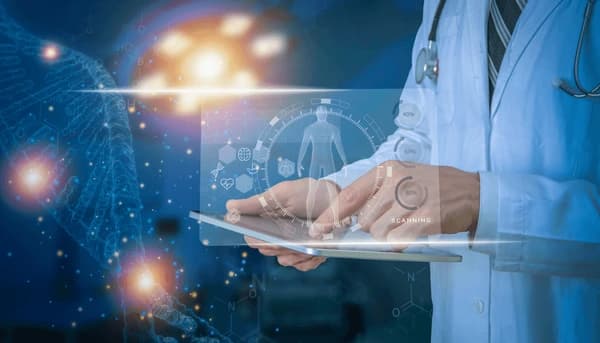
The healthcare industry is undergoing a significant digital transformation, driven by rapid advancements in technology and a growing demand for patient-centered care. One of the most impactful developments in this evolution is the integration of Customer Relationship Management (CRM) systems tailored specifically for healthcare. Understanding Technology and Innovation in Healthcare CRM is essential for organizations aiming to enhance patient experiences, streamline operations, and remain competitive in an increasingly digital environment.
What is Healthcare CRM?
Healthcare CRM refers to specialized software designed to manage interactions between healthcare providers and patients. Unlike traditional CRM systems used in retail or finance, healthcare CRM focuses on patient engagement, care coordination, and data-driven decision-making.
These systems help healthcare organizations track patient histories, manage appointments, automate communication, and personalize care plans. With the infusion of modern technology, CRM platforms have become more powerful, efficient, and intelligent.
The Role of Technology in Healthcare CRM
Technology serves as the backbone of modern healthcare CRM systems. It enables automation, improves accuracy, and enhances communication across all levels of healthcare delivery.
1. Cloud Computing
Cloud technology has revolutionized healthcare CRM by enabling secure, remote access to patient data. Healthcare providers can access real-time information from any location, improving collaboration and decision-making.
Cloud-based CRM systems also offer scalability, allowing organizations to expand their operations without investing heavily in infrastructure.
2. Artificial Intelligence and Machine Learning
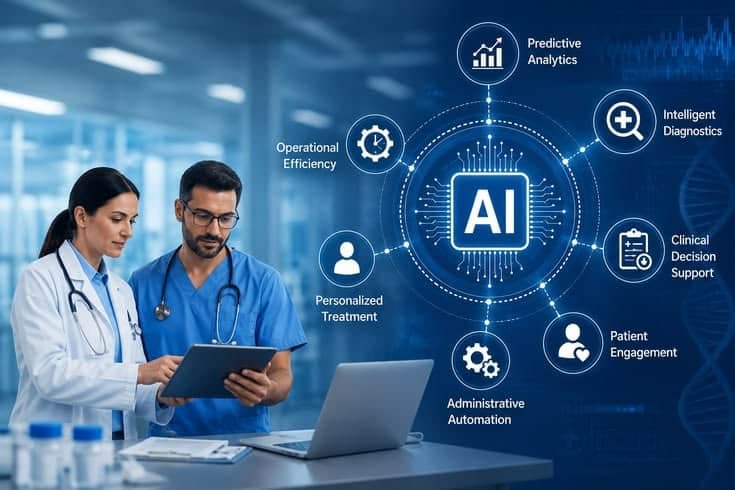
Artificial Intelligence (AI) and Machine Learning (ML) are transforming how healthcare CRM systems analyze and utilize data. These technologies can predict patient needs, identify health trends, and automate routine administrative tasks.
AI-powered chatbots, for example, can handle patient inquiries, schedule appointments, and provide basic health information, improving efficiency and reducing workload for staff.
3. Big Data Analytics
Healthcare generates vast amounts of data every day. Advanced analytics tools integrated into CRM systems help organizations process and interpret this data effectively.
By analyzing patient behavior, treatment outcomes, and engagement patterns, healthcare providers can make informed decisions and improve service quality.
4. Mobile Technology
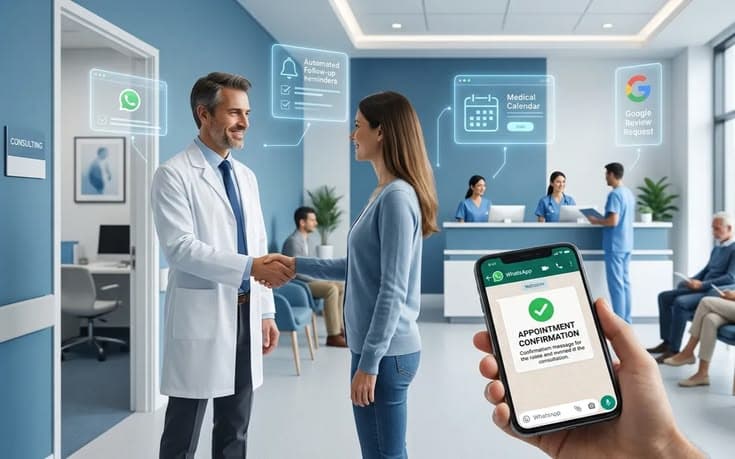
Mobile applications have become an integral part of healthcare CRM systems. Patients can access their medical records, book appointments, receive reminders, and communicate with providers directly through mobile platforms.
This accessibility enhances patient engagement and ensures continuity of care.
5. Internet of Things (IoT)
IoT devices such as wearable health monitors and remote patient monitoring systems are increasingly integrated with healthcare CRM platforms. These devices collect real-time health data, which can be used to monitor patient conditions and provide timely interventions.
Innovations Driving Healthcare CRM Forward
Innovation in healthcare CRM goes beyond technology—it focuses on creating better patient experiences and improving healthcare outcomes.
Personalized Patient Engagement
Modern CRM systems use data insights to deliver personalized communication and care plans. Patients receive tailored messages, treatment reminders, and health recommendations based on their medical history and preferences.
Omnichannel Communication
Healthcare CRM systems now support multiple communication channels, including email, SMS, mobile apps, and patient portals. This ensures seamless interaction between patients and healthcare providers.
Automation of Administrative Tasks
Automation reduces the burden of repetitive tasks such as appointment scheduling, billing, and follow-ups. This allows healthcare professionals to focus more on patient care.
Telehealth Integration
Telehealth has become a vital component of modern healthcare. CRM systems integrated with telehealth platforms enable virtual consultations, remote monitoring, and digital communication, making healthcare more accessible.
Benefits of Technology and Innovation in Healthcare CRM
Improved Patient Experience
Advanced CRM systems enhance patient satisfaction by providing timely communication, personalized care, and easy access to services.
Increased Operational Efficiency
Automation and data management streamline workflows, reducing errors and saving time for healthcare staff.
Better Data Management
Centralized data storage ensures that patient information is accurate, up-to-date, and easily accessible.
Enhanced Decision-Making
Data-driven insights enable healthcare providers to make informed decisions, improving treatment outcomes and organizational performance.
Cost Reduction
By optimizing processes and reducing manual work, healthcare organizations can lower operational costs.
Challenges to Consider
Despite its many advantages, implementing advanced healthcare CRM systems comes with challenges.
Data Security and Privacy
Protecting sensitive patient information is critical. Organizations must ensure compliance with data protection regulations and implement strong security measures.
Integration with Existing Systems
Integrating new CRM technologies with legacy systems can be complex and time-consuming.
User Adoption
Healthcare staff must be trained to use new technologies effectively. Resistance to change can hinder successful implementation.
Future Trends in Healthcare CRM
AI-Driven Personalization
Future CRM systems will offer even more advanced personalization, using AI to predict patient needs and deliver proactive care.
Voice Technology
Voice assistants may become part of healthcare CRM systems, allowing hands-free data entry and patient interaction.
Blockchain for Data Security
Blockchain technology has the potential to enhance data security and ensure transparent, tamper-proof records.
Predictive Healthcare
Predictive analytics will enable early detection of health issues, improving preventive care and reducing hospital admissions.
The integration of advanced technologies and innovative approaches is reshaping the healthcare landscape. Technology and Innovation in Healthcare CRM are empowering organizations to deliver more efficient, personalized, and patient-focused care.
As healthcare continues to evolve, adopting modern CRM solutions will be essential for organizations looking to stay ahead. By leveraging cutting-edge technologies, healthcare providers can not only improve operational efficiency but also enhance patient outcomes and build stronger, more meaningful relationships.
The Doctorna editorial desk writes about healthcare operations, patient experience and the systems clinics use to connect them.