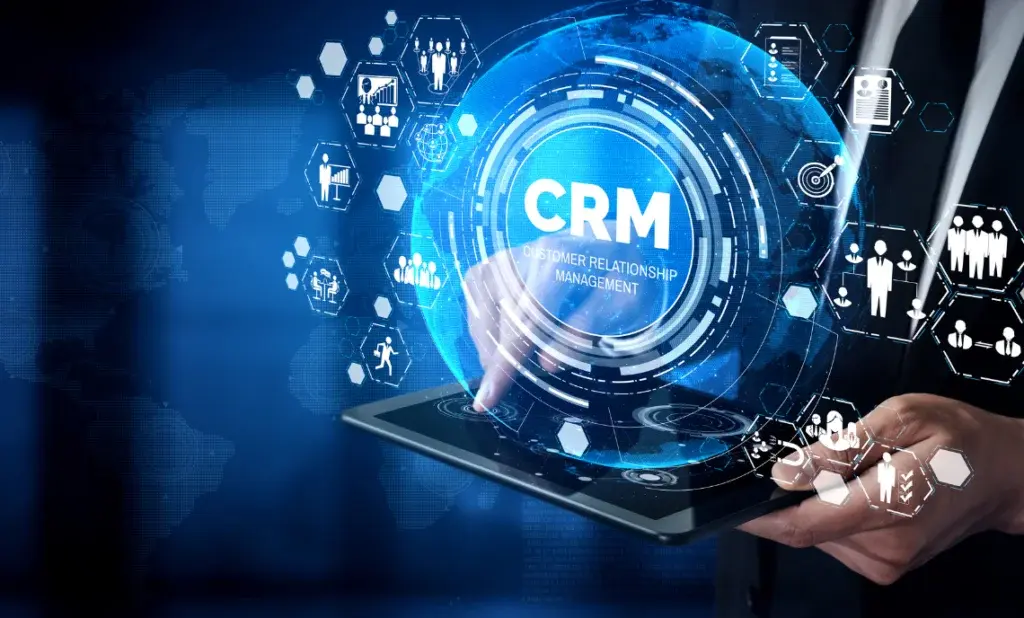

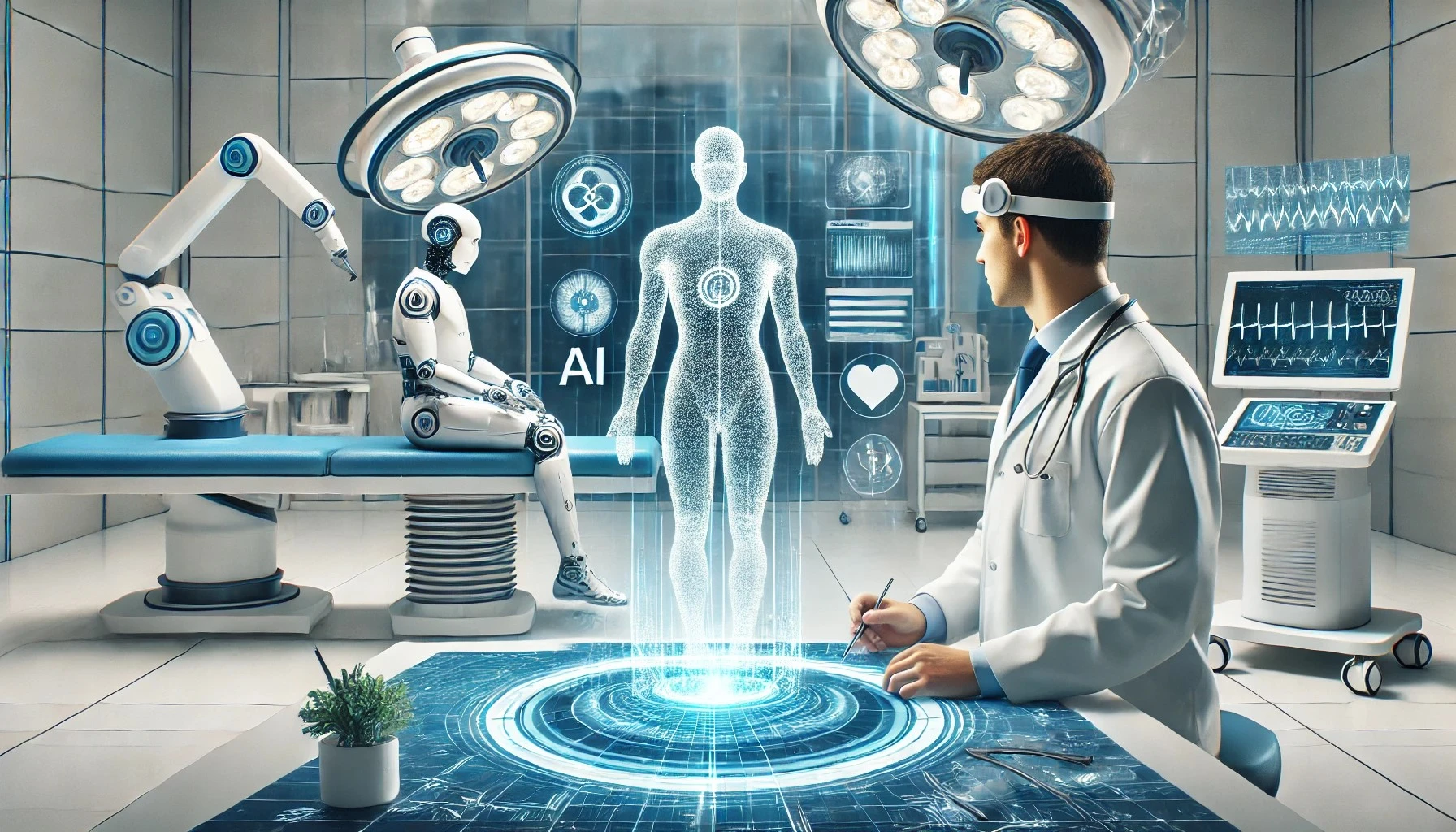
The healthcare industry is experiencing a massive digital shift, and at the center of this evolution lies AI-driven analytics. As patient expectations rise and medical organizations strive for greater efficiency, the role of advanced data intelligence has expanded dramatically. Today, AI-driven analytics is transforming the landscape of Healthcare CRM, enabling providers to deliver more personalized care, improve operational workflows, and make highly informed business decisions.
Healthcare CRM systems were traditionally designed to centralize patient information, automate communication, and support outreach activities. But the integration of artificial intelligence has transformed these platforms from simple management tools into predictive, proactive, and deeply insightful engines capable of reshaping the entire patient journey.
The Growing Importance of AI in Healthcare CRM
Healthcare generates enormous amounts of data—from patient demographics and medical histories to appointment patterns, billing records, treatment outcomes, and engagement behavior. Without AI, this data often remains unused or underutilized. AI-driven analytics changes this by processing and interpreting vast datasets at high speed, uncovering patterns that humans simply cannot detect.
These capabilities make AI essential for healthcare organizations aiming to:
- Enhance patient care personalization
- Improve retention and satisfaction
- Optimize resource allocation
- Predict future trends and risks
- Strengthen marketing and communication efforts
By embedding AI in Healthcare CRM systems, providers not only streamline operations but also elevate the quality of patient experiences in a competitive environment.
1. Personalized Patient Engagement at Scale
One of the most powerful benefits of AI in Healthcare CRM is the ability to personalize communication and interactions for every patient.
AI algorithms analyze historical behavior, clinical data, engagement patterns, and demographic information to tailor messages that resonate with individuals. For example:
- Sending appointment reminders at the times patients are most responsive
- Recommending preventive screenings based on age, lifestyle, and health conditions
- Offering customized health education content
- Identifying communication preferences—whether email, SMS, app notifications, or phone calls
This level of personalization strengthens trust, increases compliance with treatment plans, and encourages proactive health management.
2. Predictive Analytics for Better Decision-Making
Predictive analytics is transforming how healthcare organizations plan and deliver services.
AI-driven Healthcare CRM systems can forecast:
- Patient no-show likelihood
- Disease risk or deterioration patterns
- Demand for specific treatments or services
- Future patient acquisition and retention trends
For instance, a clinic can predict which patients are at high risk of missing follow-up appointments and intervene with additional reminders or personal assistance. Hospitals can anticipate peak admission periods and allocate staff accordingly.
Predictive modeling also supports proactive care management—identifying early signs of complications and enabling timely interventions that can reduce hospitalization rates and improve long-term outcomes.
3. Enhancing Operational Efficiency
Efficiency is a core challenge in healthcare, where delays, miscommunication, and manual processes can impact both patient satisfaction and financial performance.
AI-driven analytics helps optimize operations by:
- Automating administrative tasks
- Streamlining patient onboarding workflows
- Analyzing bottlenecks in appointment scheduling
- Improving staff productivity through intelligent task prioritization
- Identifying areas of resource wastage
With AI-enabled CRM systems, organizations can move from reactive problem-solving to proactive process optimization. This leads to shorter wait times, smoother patient transitions, and a more organized staff environment.
4. Strengthening Patient Retention and Loyalty
Patient retention is more important than ever as competition among healthcare providers grows. AI-driven analytics plays a pivotal role in identifying patterns that signal declining patient engagement.
AI can detect:
- Long gaps between visits
- Missed follow-ups
- Declines in communication response rates
- Drop-offs in treatment adherence
Based on these insights, Healthcare CRM systems can trigger automated workflows such as sending personalized follow-ups, offering virtual consultation options, or assigning patient care coordinators for high-risk individuals.
This targeted approach not only improves patient loyalty but also ensures better long-term health outcomes.
5. AI-Powered Insights for Marketing and Outreach
AI-driven analytics is also reshaping healthcare marketing strategies. By understanding patient personas, behaviors, and preferences, providers can create more effective outreach campaigns.
AI helps:
- Segment audiences with precision
- Identify the best channels for communication
- Measure campaign performance in real-time
- Predict which services will be in highest demand
- Optimize marketing budgets for maximum ROI
Traditional marketing relies heavily on guesswork, but AI-driven analytics transforms it into a strategic, data-backed process.
6. Improved Clinical Decision Support
While Healthcare CRM is not a clinical diagnosis tool, AI-powered insights can support decision-making by summarizing patient histories, identifying risk factors, and highlighting important clinical patterns.
This helps clinicians:
- Prioritize high-risk patients
- Recommend targeted treatment plans
- Reduce errors caused by missing information
- Improve the speed and accuracy of care delivery
When integrated with EHR systems, AI-driven analytics becomes even more impactful—bridging the gap between patient management and clinical intelligence.
The Future of AI in Healthcare CRM
The future promises even more advanced capabilities. Emerging trends include:
- Natural language processing for analyzing patient feedback
- Voice-based AI assistants for smarter communication
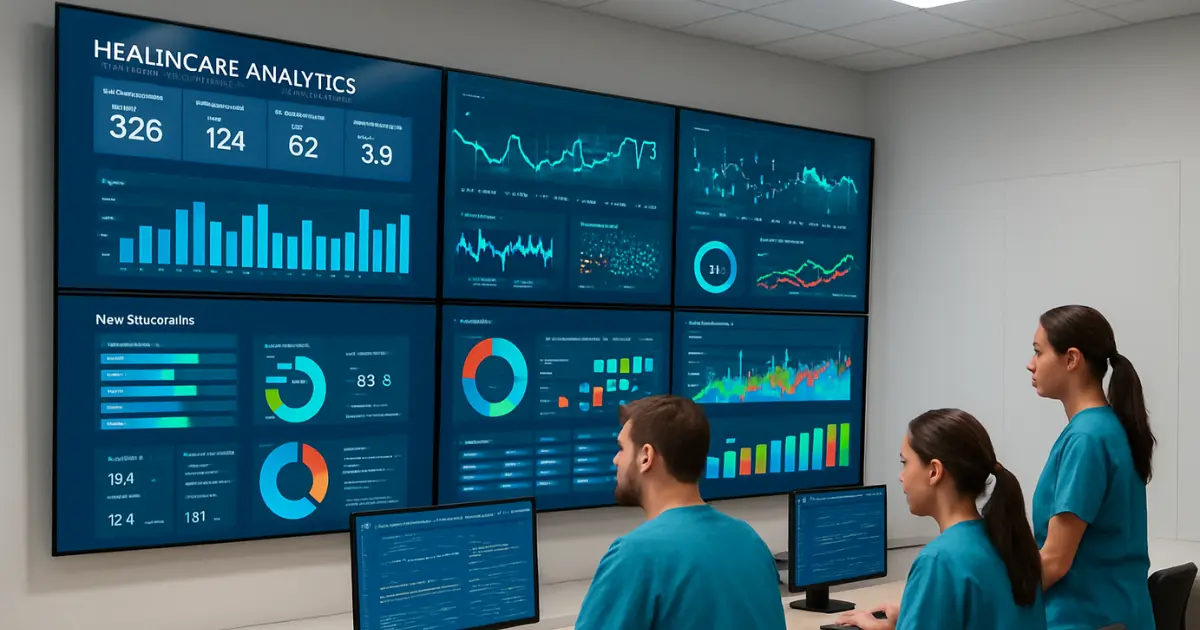
- Real-time analytics dashboards for executives and clinicians
- AI-driven care coordination systems
- Predictive patient lifetime value modeling
As AI continues to evolve, Healthcare CRM systems will become central hubs for delivering patient-centric, data-driven care.

Final Thoughts
AI-driven analytics is transforming the landscape of Healthcare CRM by empowering providers to understand patients more deeply, operate more efficiently, and deliver highly personalized care. Healthcare organizations that embrace AI-enabled CRM solutions are not only improving patient outcomes but also gaining a competitive advantage in an increasingly digital healthcare ecosystem.
If you’d like, I can also prepare: