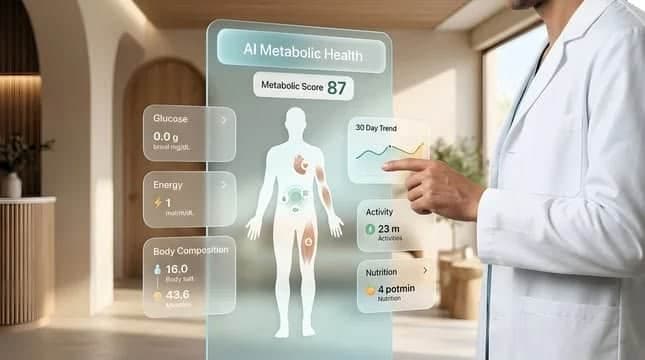
Real-Time Analytics in Healthcare CRM
Healthcare organizations generate vast amounts of patient data every day, from appointment bookings and medical records to billing information and


Healthcare organizations generate vast amounts of patient data every day, from appointment bookings and medical records to billing information and patient interactions. Managing this information effectively is essential for delivering high-quality care and improving operational efficiency. Real-time analytics in Healthcare CRM enables hospitals, clinics, and healthcare providers to access and analyze data instantly, allowing them to make faster and more informed decisions.
Unlike traditional reporting systems that rely on historical data, real-time analytics provides immediate insights into patient activities, operational performance, and communication trends. This allows healthcare providers to respond quickly to changing situations and improve the overall patient experience.
What Is Real-Time Analytics?
Real-time analytics is the process of collecting, processing, and analyzing data as it is generated. Instead of waiting hours or days for reports, organizations receive up-to-date information that supports immediate decision-making.
In Healthcare CRM systems, real-time analytics continuously monitors patient interactions, appointments, communications, and operational activities. This enables healthcare professionals to identify trends, resolve issues quickly, and improve service delivery.
What Is a Healthcare CRM?
A Healthcare Customer Relationship Management (CRM) system is a platform designed to manage patient relationships, communication, appointment scheduling, marketing, and administrative workflows. It centralizes patient information, making it easier for healthcare providers to deliver personalized and coordinated care.
When combined with real-time analytics, Healthcare CRM becomes a powerful tool that helps organizations monitor performance, improve patient engagement, and optimize daily operations.
Benefits of Real-Time Analytics in Healthcare CRM
Faster Decision-Making
Healthcare providers often need to make quick decisions. Real-time analytics provides instant access to important information, allowing staff to respond immediately to patient needs, appointment changes, or operational challenges.
Timely insights improve both patient care and organizational efficiency.
Improved Patient Experience
Real-time data helps healthcare providers deliver more personalized services. CRM systems can instantly track patient interactions, appointment history, and communication preferences, allowing providers to respond quickly with relevant information and timely support.
This improves patient satisfaction and strengthens long-term relationships.
Better Appointment Management
Missed appointments and scheduling conflicts can affect both patient care and operational efficiency.
Real-time analytics enables Healthcare CRM systems to monitor appointment schedules continuously, identify cancellations immediately, and optimize available time slots. Staff can quickly contact patients, fill vacant appointments, and reduce idle time.
Enhanced Patient Communication
Effective communication is essential in healthcare. Real-time analytics helps monitor communication activities such as appointment reminders, email campaigns, SMS notifications, and follow-up messages.
Healthcare providers can instantly identify whether messages have been delivered, opened, or require additional follow-up, ensuring patients remain informed throughout their healthcare journey.
Operational Efficiency
Healthcare organizations manage numerous daily processes, including patient registration, scheduling, billing, referrals, and follow-up care.
Real-time analytics provides administrators with live performance data, helping them identify workflow bottlenecks, allocate resources effectively, and improve overall operational efficiency.
Real-Time Dashboards
Modern Healthcare CRM platforms include interactive dashboards that display live performance metrics.
These dashboards may provide insights into:
- Patient appointments
- New patient registrations
- Follow-up completion rates
- Communication performance
- Staff productivity
- Patient satisfaction trends
- Referral sources
- Service utilization
By monitoring these metrics in real time, healthcare managers can make informed decisions without waiting for periodic reports.
Personalized Patient Care
Every patient has different healthcare needs. Real-time analytics enables Healthcare CRM systems to provide personalized recommendations based on current patient information.
For example, the system can automatically identify patients who require follow-up appointments, preventive screenings, or medication reminders. Providers can then deliver timely and relevant communication that improves patient engagement and continuity of care.
Supporting Predictive Analytics
Real-time analytics works alongside predictive analytics to improve healthcare planning. While predictive analytics forecasts future trends using historical data, real-time analytics continuously updates those predictions using the latest available information.
This combination allows healthcare providers to identify potential issues early and take proactive measures to improve patient outcomes.
Improving Resource Management
Healthcare facilities must manage doctors, nurses, consultation rooms, medical equipment, and appointment schedules efficiently.
Real-time analytics provides visibility into resource availability, helping administrators optimize staff schedules, reduce waiting times, and improve patient flow throughout the organization.
Efficient resource management leads to better patient experiences while reducing operational costs.
Data Security and Compliance
Healthcare organizations handle highly sensitive patient information, making security a critical priority.
Healthcare CRM systems that use real-time analytics should include strong security measures such as:
- Data encryption
- Role-based access controls
- Multi-factor authentication
- Continuous activity monitoring
- Secure cloud infrastructure
- Compliance with healthcare privacy regulations
Protecting patient data helps maintain trust while ensuring regulatory compliance.
Challenges of Implementing Real-Time Analytics
Although real-time analytics offers significant benefits, implementation requires careful planning.
Healthcare organizations may face challenges such as integrating data from multiple systems, maintaining high-quality data, ensuring staff training, protecting patient privacy, and investing in modern technology infrastructure.
Addressing these challenges helps organizations maximize the value of real-time analytics within their Healthcare CRM systems.
Future of Real-Time Analytics in Healthcare CRM
As healthcare technology continues to evolve, real-time analytics will become even more advanced. Future Healthcare CRM systems are expected to integrate artificial intelligence, machine learning, Internet of Things (IoT) devices, wearable health technology, and telemedicine platforms.
These innovations will enable healthcare providers to monitor patient activity more effectively, automate decision-making, personalize care, and improve operational performance through continuous access to live data.
Real-time analytics in Healthcare CRM is transforming the way healthcare organizations manage patient relationships and daily operations. By providing immediate access to valuable insights, Healthcare CRM systems enable faster decision-making, improved communication, optimized scheduling, enhanced patient engagement, and better resource management.
As digital healthcare continues to advance, real-time analytics will play an increasingly important role in helping hospitals, clinics, and healthcare providers deliver efficient, data-driven, and patient-centered care. Organizations that embrace this technology will be better equipped to improve patient outcomes while achieving long-term operational success.
The Doctorna editorial desk writes about healthcare operations, patient experience and the systems clinics use to connect them.