Healthcare CRM Software for Hospitals and Clinics
Healthcare organizations manage a wide range of patient interactions every day. From appointment inquiries and reminders to follow-ups, feedback, and


Healthcare organizations manage a wide range of patient interactions every day. From appointment inquiries and reminders to follow-ups, feedback, and communication, hospitals and clinics need efficient systems to keep these activities organized. Healthcare CRM software for hospitals and clinics provides a centralized platform for managing patient relationships and streamlining communication.
Unlike general CRM platforms, healthcare CRM solutions are designed around the specific operational and communication requirements of healthcare organizations. They can help connect patient engagement activities with administrative workflows while supporting appropriate privacy and security practices.
What Is Healthcare CRM Software?
Healthcare CRM software is a digital platform that helps hospitals, clinics, medical centers, and other healthcare organizations manage patient interactions and engagement.
Depending on the system, healthcare CRM software may include features for:
- Patient communication
- Appointment management
- Lead and inquiry management
- Follow-up automation
- Patient segmentation
- Feedback collection
- Marketing communication
- Analytics and reporting
- Multichannel communication
- Integration with healthcare systems
The exact capabilities vary between platforms, so organizations should select software based on their operational requirements.
Why Hospitals and Clinics Need Healthcare CRM Software
Hospitals and clinics often handle thousands of interactions across different departments and communication channels. Managing these interactions manually can make it difficult to maintain consistent communication.
A healthcare CRM can centralize interaction data and provide staff with structured workflows for managing patient inquiries, appointments, reminders, and follow-ups.
This can help organizations improve administrative coordination while giving patients a more connected experience.
1. Centralized Patient Interaction Management
A healthcare CRM can provide a centralized view of relevant patient interactions. Authorized staff can access information such as inquiries, appointment activity, communication history, and follow-up tasks based on their permissions.
Centralization can reduce the need to search through multiple systems or communication channels when handling routine patient interactions.
2. Appointment Management
Appointment scheduling is one of the most common administrative activities in hospitals and clinics. CRM software can support appointment confirmations, reminders, rescheduling communication, and follow-up workflows.
Automated reminders can be delivered through channels such as SMS, email, or messaging platforms, depending on the organization's setup.
This can make appointment management more organized for both staff and patients.
3. Automated Patient Follow-Ups
Following up with patients can be time-consuming when handled entirely manually. Healthcare CRM software can create automated tasks and workflows for appropriate follow-up activities.
For example, the system can remind staff to contact patients after an appointment or send predefined communication according to approved workflows.
Automation can help teams manage routine follow-ups more consistently.
4. Multichannel Communication
Patients may prefer different communication channels. Some may use email, while others may communicate through SMS, phone calls, websites, or messaging applications.
Healthcare CRM software can help organizations manage interactions across multiple channels from a centralized environment. This can provide staff with better visibility into communication history and help maintain continuity.
5. Lead and Inquiry Management
Hospitals and clinics receive inquiries from existing patients as well as people interested in their healthcare services.
CRM software can help capture and organize these inquiries, assign them to appropriate teams, track their status, and record follow-up activities.
This creates a structured process for managing inquiries rather than relying on spreadsheets, emails, or disconnected communication systems.
6. Patient Segmentation
Different patient groups may require different types of communication. A healthcare CRM can allow organizations to segment records based on appropriate criteria.
For example, organizations may create segments related to service interactions, appointment status, communication preferences, or other operational categories.
Segmentation can support more relevant communication while helping organizations avoid sending unnecessary information.
7. Patient Feedback Management
Understanding patient experiences can help healthcare organizations identify opportunities for service improvement.
Healthcare CRM platforms can support feedback forms, surveys, response tracking, and reporting. Management teams can review feedback patterns and use the information to evaluate communication and administrative processes.
8. Analytics and Reporting
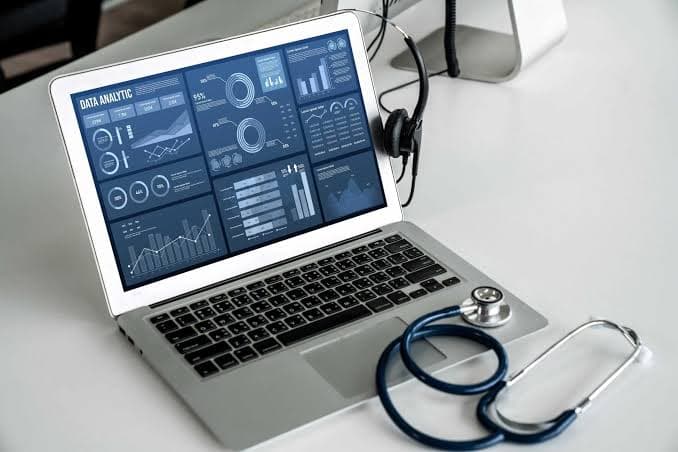
Data generated through patient interactions can provide useful operational insights. Healthcare CRM software can provide dashboards and reports covering areas such as inquiries, appointments, communication activity, follow-ups, and feedback.
These insights can help administrators monitor workflows and identify areas that may require additional attention.
9. Integration With Healthcare Systems
A healthcare CRM can be integrated with other healthcare technologies depending on the organization's infrastructure. Potential integrations may include:
- Electronic Health Records (EHR)
- Electronic Medical Records (EMR)
- Hospital Information Systems (HIS)
- Appointment systems
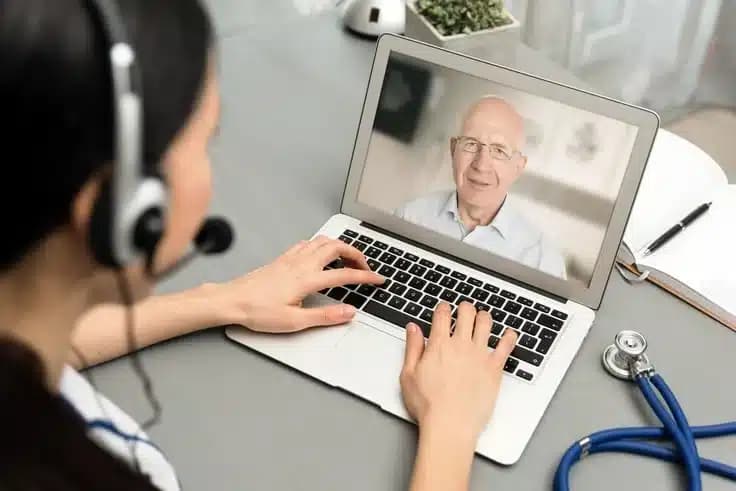
- Telemedicine platforms
- Billing systems
- Laboratory systems
- Communication platforms
Integration can reduce duplicate data entry and help create connected workflows. However, integrations should be carefully designed around data security, permissions, interoperability, and regulatory requirements.
10. Supports Patient-Centric Communication
Healthcare CRM software can help organizations deliver more personalized and timely communication.
Patients may receive relevant appointment reminders, follow-up messages, service information, and feedback requests based on their interactions with the organization.
This can support a more patient-focused communication process while allowing staff to manage interactions efficiently.
11. Improves Team Coordination
Hospitals and clinics often have multiple teams involved in patient communication. CRM software can provide shared workflows that help authorized staff see assigned tasks, communication history, and follow-up requirements.
Better coordination can reduce duplicated work and make it easier for teams to understand the status of patient interactions.
12. Enhances Data Security
Healthcare organizations handle sensitive information, so security should be a core consideration when selecting CRM software.
Important capabilities can include role-based access controls, authentication, encryption, audit logs, secure integrations, backups, and activity monitoring.
Organizations should also ensure that their CRM implementation follows applicable healthcare privacy and data-protection requirements.
Choosing Healthcare CRM Software for Hospitals and Clinics
Before selecting a healthcare CRM platform, organizations should evaluate their specific requirements. Important considerations include:
- Integration capabilities
- Security and privacy features
- Scalability
- User roles and permissions
- Appointment workflows
- Communication channels
- Automation capabilities
- Analytics and reporting
- Customization options
- Ease of use
- Technical support
- Total implementation and maintenance requirements
Hospitals with complex workflows may require more advanced integrations and customization, while smaller clinics may prioritize ease of use and essential patient engagement features.
Healthcare CRM software for hospitals and clinics can help organizations manage patient interactions, appointment communication, follow-ups, inquiries, feedback, and engagement from a centralized platform.
By connecting communication workflows with healthcare systems and providing automation and analytics, CRM software can support more organized administrative operations and consistent patient experiences. Successful implementation depends on selecting a platform that matches the organization's workflows while maintaining appropriate security, privacy, interoperability, and user access controls.
The Doctorna editorial desk writes about healthcare operations, patient experience and the systems clinics use to connect them.