Benefits of Healthcare CRM for Hospitals
The healthcare industry is rapidly embracing digital technologies to improve patient care, streamline operations, and enhance communication. Hospitals, in particular,


The healthcare industry is rapidly embracing digital technologies to improve patient care, streamline operations, and enhance communication. Hospitals, in particular, manage large volumes of patient data, appointments, referrals, billing processes, and follow-up care every day. Handling these tasks manually can lead to delays, errors, and poor patient experiences. This is where Healthcare Customer Relationship Management (CRM) software becomes invaluable. Understanding the Benefits of Healthcare CRM for Hospitals helps healthcare organizations deliver personalized care while improving operational efficiency.
A healthcare CRM is more than just a patient database. It is a comprehensive platform that centralizes patient information, automates communication, improves collaboration among departments, and helps hospitals build long-term relationships with patients. As patient expectations continue to evolve, CRM solutions have become an essential part of modern hospital management.
What Is a Healthcare CRM?
A Healthcare CRM (Customer Relationship Management) system is specialized software designed to manage patient interactions throughout their healthcare journey. It helps hospitals organize patient information, schedule appointments, automate reminders, monitor follow-ups, and analyze patient engagement.
Unlike traditional hospital management systems that primarily focus on clinical records, a CRM emphasizes patient communication, relationship management, and service quality. This allows hospitals to provide a more personalized and efficient healthcare experience.
Why Hospitals Need Healthcare CRM
Modern hospitals must manage thousands of patient interactions every month. Patients expect quick responses, easy appointment booking, timely follow-ups, and personalized communication. Without a centralized system, meeting these expectations becomes difficult.
Healthcare CRM software helps hospitals:
- Improve patient satisfaction
- Reduce administrative workload
- Enhance communication
- Increase patient retention
- Support data-driven decision-making
- Improve operational efficiency
By connecting departments and automating routine tasks, CRM systems help hospitals focus more on delivering quality patient care.
Key Benefits of Healthcare CRM for Hospitals
1. Improved Patient Experience
One of the biggest Benefits of Healthcare CRM for Hospitals is delivering a better patient experience. Patients appreciate personalized communication, timely reminders, and quick access to healthcare services.
CRM software stores patient preferences, communication history, appointment records, and follow-up information in one centralized location. This enables hospital staff to provide faster and more personalized support.
2. Centralized Patient Information
Hospitals often collect patient information from multiple departments, making data management challenging. A healthcare CRM centralizes this information, allowing authorized staff to access accurate and updated records whenever needed.
Centralized data helps improve coordination between departments and reduces duplicate records, leading to more efficient patient care.
3. Automated Appointment Scheduling and Reminders
Managing appointments manually can result in scheduling conflicts and missed visits. Healthcare CRM software automates appointment scheduling and sends reminders through SMS, email, or mobile notifications.
Benefits include:
- Reduced no-show rates
- Improved appointment management
- Better resource utilization
- Increased patient convenience
Automation saves time for administrative staff while ensuring patients stay informed.
4. Better Patient Communication
Effective communication is essential for building trust between hospitals and patients. Healthcare CRM systems automate routine communications, including:
- Appointment confirmations
- Follow-up reminders
- Test result notifications
- Health awareness campaigns
- Preventive care reminders
Consistent communication helps improve patient engagement and satisfaction.
5. Enhanced Patient Retention
Acquiring new patients is important, but retaining existing patients is equally valuable. Healthcare CRM helps hospitals maintain long-term relationships by tracking patient interactions and sending personalized follow-up messages.
Examples include:
- Annual health check reminders
- Vaccination notifications
- Wellness program invitations
- Birthday greetings
- Chronic care follow-ups
These personalized interactions encourage patients to return for future healthcare services.
6. Streamlined Workflow and Administrative Efficiency
Hospitals handle numerous administrative tasks every day. CRM software automates repetitive activities such as appointment confirmations, follow-up scheduling, and communication management.
This automation helps:
- Reduce manual data entry
- Minimize administrative errors
- Improve staff productivity
- Save valuable time
- Enhance workflow efficiency
Healthcare professionals can focus more on patient care rather than paperwork.
7. Improved Collaboration Between Departments
Hospitals involve multiple teams, including reception, nursing, physicians, laboratory staff, billing departments, and administrators. Healthcare CRM allows all departments to access relevant patient information through a centralized platform.
Improved collaboration leads to:
- Faster patient service
- Better care coordination
- Reduced communication gaps
- More informed decision-making
A connected workforce contributes to a smoother patient experience.
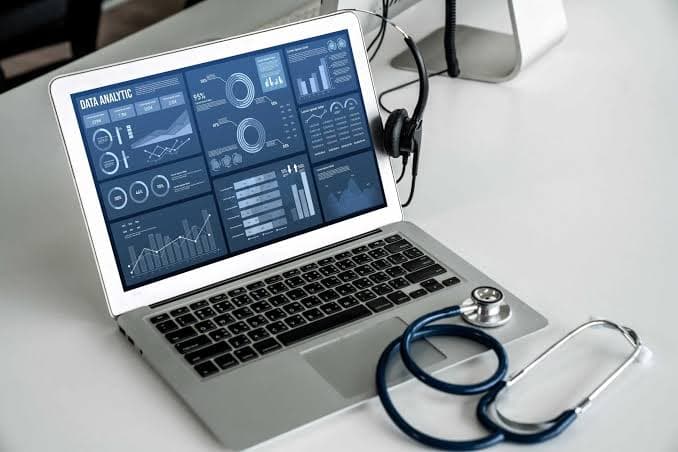
8. Data Analytics and Reporting
Healthcare CRM systems provide valuable reports and dashboards that help hospital management monitor performance and identify trends.
Common analytics include:
- Patient satisfaction rates
- Appointment attendance
- No-show statistics
- Referral tracking
- Marketing campaign performance
- Patient retention rates
These insights support strategic planning and continuous improvement.
9. Personalized Patient Care
Healthcare CRM enables hospitals to better understand each patient's history, preferences, and healthcare needs. This information helps providers deliver personalized treatment recommendations and communication.
Personalized care strengthens patient trust and improves health outcomes by making patients feel valued and understood.
10. Marketing and Community Outreach
Hospitals often conduct awareness campaigns, health screenings, and wellness programs. CRM software helps segment patient groups and deliver targeted marketing messages based on demographics, medical history, or healthcare interests.
Examples include:
- Health awareness campaigns
- Preventive screening reminders
- Vaccination drives
- New service announcements
- Community wellness events
Targeted communication improves campaign effectiveness and community engagement.
Challenges Solved by Healthcare CRM
Healthcare CRM addresses several common hospital challenges, including:
- Missed appointments
- Poor patient communication
- Disorganized patient information
- Low patient retention
- Inefficient administrative processes
- Limited patient engagement
- Difficulty tracking follow-ups
By solving these issues, hospitals improve both operational performance and patient satisfaction.
Best Practices for Implementing Healthcare CRM
To maximize the benefits of CRM software, hospitals should:
- Choose a healthcare-specific CRM solution.
- Train staff thoroughly before implementation.
- Ensure data privacy and regulatory compliance.
- Integrate the CRM with existing hospital systems.
- Automate routine communication workflows.
- Monitor system performance regularly.
- Use analytics to improve patient services.
Proper implementation ensures a smooth transition and long-term success.
The Future of Healthcare CRM
The future of healthcare CRM is closely tied to technologies such as Artificial Intelligence (AI), Machine Learning, telemedicine, predictive analytics, and patient engagement platforms. Advanced CRM systems will provide smarter automation, personalized health recommendations, and improved decision support.
As digital healthcare continues to evolve, CRM platforms will play an increasingly important role in helping hospitals deliver efficient, patient-centered care.
The Benefits of Healthcare CRM for Hospitals extend far beyond managing patient information. CRM software enhances communication, streamlines workflows, improves patient retention, automates administrative tasks, and supports data-driven decision-making. By centralizing patient interactions and improving collaboration across departments, hospitals can deliver more personalized, efficient, and high-quality healthcare services.
Investing in a healthcare CRM is no longer just a technological upgrade—it is a strategic decision that enables hospitals to improve patient satisfaction, optimize operations, and remain competitive in today's rapidly evolving healthcare landscape.
The Doctorna editorial desk writes about healthcare operations, patient experience and the systems clinics use to connect them.