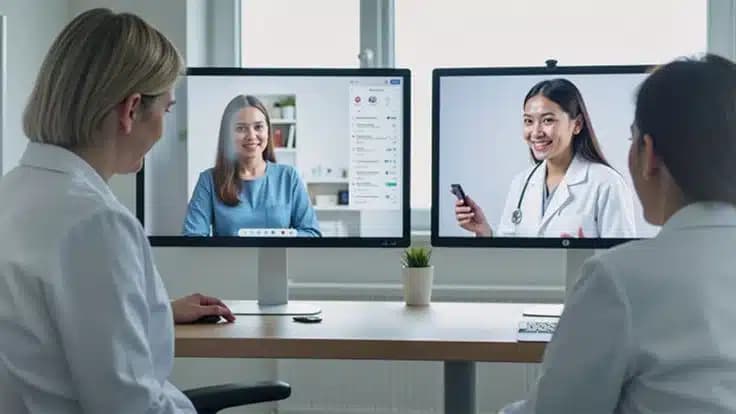
Why Healthcare Providers Need CRM Today
Healthcare is becoming more patient-centered, data-driven, and competitive than ever before. Patients now expect faster responses, personalized communication, easy appointment

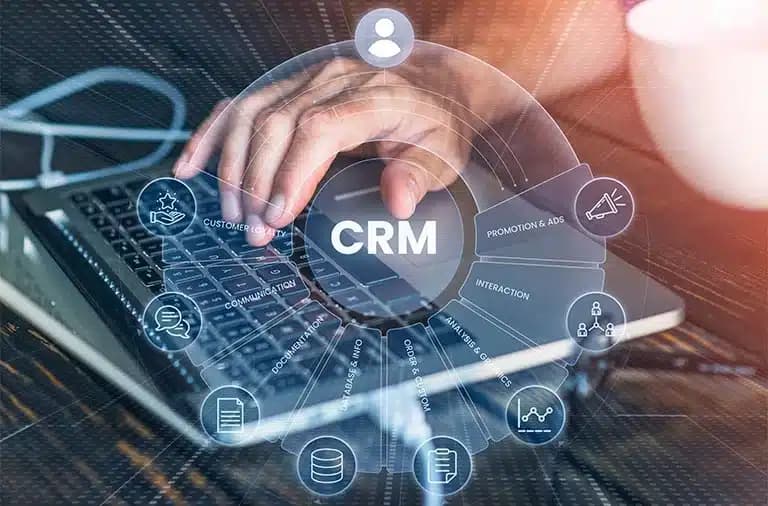
Healthcare is becoming more patient-centered, data-driven, and competitive than ever before. Patients now expect faster responses, personalized communication, easy appointment booking, and better overall experiences. To meet these expectations, healthcare organizations need more than traditional record-keeping systems. They need smart tools that help them manage patient relationships, improve communication, and streamline daily operations. This is why Why Healthcare Providers Need CRM Today is an important topic for modern medical practices.
A Customer Relationship Management (CRM) system is no longer just a sales or marketing tool. In healthcare, it has become a powerful solution for managing patient interactions, improving service quality, and supporting long-term growth. From clinics and hospitals to specialty practices and diagnostic centers, CRM systems help healthcare providers deliver better care while operating more efficiently.
What Is a Healthcare CRM?
A healthcare CRM is a software system designed to manage patient relationships, communication, and engagement. It helps healthcare providers store patient information, track interactions, automate follow-ups, schedule appointments, and personalize communication.
Unlike a basic contact database, a healthcare CRM gives medical teams a complete view of the patient journey. It connects departments, supports better decision-making, and improves coordination across the organization.
Why Healthcare Providers Need CRM Today
Modern healthcare providers deal with increasing patient expectations, rising competition, and growing administrative tasks. A CRM helps solve these challenges by bringing structure and efficiency to patient management.
Here are the main reasons healthcare providers need CRM today:
1. Improved Patient Communication
Good communication is one of the most important parts of healthcare. Patients want timely reminders, clear updates, and easy ways to connect with their providers. A CRM makes this possible by automating communication through SMS, email, WhatsApp, and other channels.
Healthcare teams can use CRM systems to:
- Send appointment reminders
- Share follow-up instructions
- Notify patients about test results
- Deliver preventive care reminders
- Send health education messages
This improves patient engagement and reduces missed appointments.
2. Better Patient Experience
Today’s patients expect a smooth and personalized experience. They do not want to repeat information every time they visit or wait too long for responses. A CRM helps healthcare providers deliver a better experience by keeping all patient data organized in one place.
With CRM, staff can quickly access:
- Medical history
- Appointment records
- Communication history
- Treatment preferences
- Follow-up needs
This allows teams to offer more personalized care and faster support.
3. Efficient Appointment Management
Missed appointments and scheduling errors can create major challenges for healthcare providers. A CRM helps automate scheduling, reminders, and rescheduling, making the process more efficient.
Benefits include:
- Fewer no-shows
- Better appointment planning
- Easier follow-up scheduling
- Reduced front-desk workload
- Improved patient convenience
This saves time for both patients and staff.
4. Stronger Patient Retention
Healthcare providers need to retain patients just like any other service-based business. A CRM helps build long-term relationships by keeping patients engaged after their visits.
For example, CRM systems can:
- Send follow-up care reminders
- Encourage routine checkups
- Track inactive patients
- Re-engage patients who have not returned
- Promote wellness programs and preventive care
When patients feel remembered and valued, they are more likely to return and recommend the practice to others.
5. Streamlined Workflow for Staff
Healthcare teams handle many responsibilities every day. Reception staff, nurses, doctors, and administrators all need access to accurate information. A CRM centralizes patient data and automates repetitive tasks, making work easier for everyone.
This leads to:
- Faster information retrieval
- Less manual data entry
- Improved internal coordination
- Better task tracking
- Reduced administrative stress
A well-organized workflow helps the entire practice run more smoothly.
6. Data-Driven Decision-Making
Healthcare CRM systems collect valuable data about patient behavior, appointment trends, campaign performance, and service usage. This data helps providers make better decisions.
With CRM analytics, healthcare organizations can understand:
- Which services are most in demand
- Which communication methods work best
- Which patients need follow-up
- Which campaigns bring results
- Where operational improvements are needed
Data-driven insights help providers improve both patient care and business performance.
7. Better Marketing and Outreach
Healthcare providers also need to attract new patients and stay connected with existing ones. A CRM supports marketing by segmenting patient lists and sending targeted messages.
This can include:
- Birthday greetings
- Wellness campaign messages
- Service promotions
- Seasonal health reminders
- Educational newsletters
Targeted outreach is more effective than generic communication and helps build trust with patients.
8. Improved Coordination Across Teams
In many healthcare settings, multiple departments work together to support one patient. A CRM improves coordination by keeping everyone on the same page.
For example:
- Reception teams can see appointment details
- Clinical staff can view patient communication history
- Marketing teams can track campaign performance
- Management can review reports and trends
When teams work with shared information, patient care becomes more consistent and efficient.
Key Features of a Healthcare CRM
A good healthcare CRM usually includes:
- Patient profile management
- Appointment scheduling
- Automated reminders
- Communication tracking
- Lead and referral management
- Reporting and analytics
- Task automation
- Follow-up workflows
- Patient segmentation
- Integration with other healthcare systems
These features help providers manage relationships at every stage of the patient journey.
Challenges Without a CRM
Healthcare providers that do not use CRM often face problems such as:
- Missed follow-ups
- Poor communication
- Lost patient data
- Low retention rates
- Overloaded staff
- Inefficient scheduling
- Weak patient engagement
These issues can reduce both patient satisfaction and practice growth.
The Future of Healthcare CRM
The future of healthcare CRM is closely connected to artificial intelligence, automation, telehealth, and personalized care. Advanced CRM systems will continue to help healthcare providers predict patient needs, automate routine tasks, and deliver more meaningful experiences.
As healthcare becomes more digital, CRM will play an even bigger role in helping providers stay efficient, connected, and patient-focused.
Why Healthcare Providers Need CRM Today is simple: patient expectations have changed, and healthcare organizations must adapt. A CRM system helps providers improve communication, streamline workflows, strengthen patient relationships, and make smarter decisions. It supports better care delivery while also improving business performance.
For healthcare providers that want to stay competitive in today’s digital environment, CRM is no longer optional. It is an essential tool for delivering efficient, personalized, and future-ready patient care.
The Doctorna editorial desk writes about healthcare operations, patient experience and the systems clinics use to connect them.