Emerging Trends Shaping the Future of Healthcare CRM
The healthcare industry is rapidly evolving, driven by digital transformation, changing patient expectations, and advancements in technology. As healthcare providers

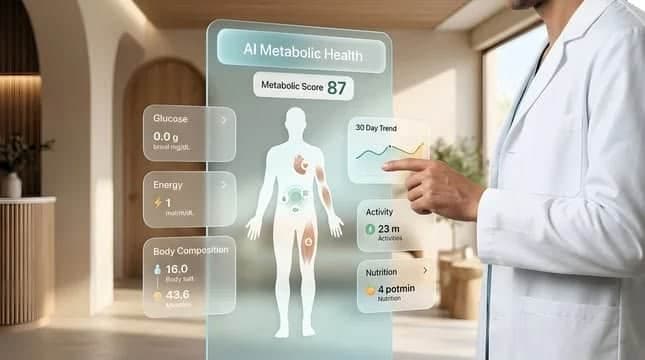
The healthcare industry is rapidly evolving, driven by digital transformation, changing patient expectations, and advancements in technology. As healthcare providers focus on delivering more personalized, efficient, and connected care, Customer Relationship Management (CRM) systems are becoming increasingly important. Understanding the emerging trends shaping the future of Healthcare CRM helps hospitals, clinics, and healthcare organizations prepare for the next generation of patient relationship management.
Today's Healthcare CRM platforms do much more than manage patient information. They support communication, automate administrative tasks, improve patient engagement, and provide valuable insights that help healthcare providers deliver better care. As technology continues to advance, Healthcare CRM systems are becoming smarter, more integrated, and more patient-focused.
The Evolution of Healthcare CRM
Traditional Healthcare CRM systems primarily managed patient records and appointment scheduling. Modern CRM platforms now integrate multiple healthcare functions into a single solution, including communication, marketing, analytics, patient engagement, reporting, and workflow automation.
This evolution enables healthcare providers to improve operational efficiency while delivering more personalized and coordinated care.
Artificial Intelligence and Machine Learning
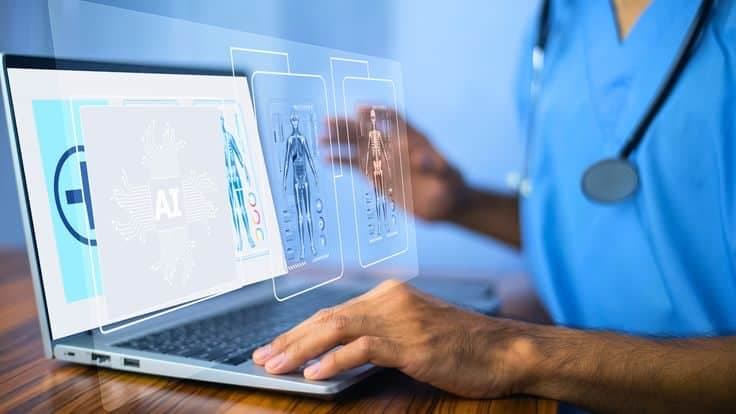
Artificial Intelligence (AI) and Machine Learning (ML) are transforming Healthcare CRM systems by making them more intelligent and efficient. These technologies analyze patient data, identify patterns, and provide recommendations that support better decision-making.
AI-powered Healthcare CRM systems can:
- Personalize patient communication
- Predict appointment no-shows
- Recommend preventive care
- Automate routine administrative tasks
- Improve patient segmentation
- Generate actionable insights
By reducing manual work and improving accuracy, AI allows healthcare professionals to spend more time focusing on patient care.
Predictive Analytics
Predictive analytics is becoming an essential feature in Healthcare CRM platforms. By analyzing historical and real-time data, CRM systems can forecast patient needs and identify trends before they become major issues.
Healthcare organizations can use predictive analytics to:
- Identify patients who require follow-up care
- Reduce missed appointments
- Improve patient retention
- Support preventive healthcare initiatives
- Optimize staffing and resource allocation
These insights help providers make proactive decisions that improve both patient outcomes and operational efficiency.
Hyper-Personalized Patient Engagement
Patients increasingly expect healthcare experiences tailored to their individual needs. Future Healthcare CRM systems will use patient history, preferences, and behavioral insights to deliver highly personalized communication.
Examples include:
- Customized appointment reminders
- Personalized wellness recommendations
- Preventive care notifications
- Targeted health education
- Medication reminders
- Follow-up care messages
Personalized engagement strengthens patient relationships and encourages better long-term health management.
Cloud-Based CRM Solutions
Cloud technology continues to reshape Healthcare CRM by providing secure, scalable, and accessible platforms. Cloud-based CRM systems allow healthcare professionals to access patient information from multiple locations while supporting collaboration across departments.
Benefits of cloud-based Healthcare CRM include:
- Reduced infrastructure costs
- Automatic software updates
- Improved scalability
- Secure remote access
- Enhanced disaster recovery
- Better collaboration between healthcare teams
Cloud platforms also simplify system maintenance and enable organizations to adapt quickly as their needs grow.
Workflow Automation
Automation is reducing the administrative burden on healthcare staff by streamlining repetitive tasks.
Healthcare CRM systems can automate:
- Appointment scheduling
- Reminder notifications
- Patient follow-ups
- Referral management
- Billing notifications
- Survey distribution
- Report generation
Automation improves operational efficiency while allowing healthcare professionals to dedicate more time to patient care.
Telemedicine Integration
Telemedicine has become a permanent part of modern healthcare delivery. Future Healthcare CRM systems will offer deeper integration with virtual consultation platforms, enabling providers to manage online appointments, patient communications, and follow-up care from a single interface.
This integration creates a seamless experience for both patients and healthcare providers while expanding access to healthcare services.
Integration with Wearable Devices
Wearable health technologies, including smartwatches and fitness trackers, generate valuable health data that can support patient care.
Future Healthcare CRM systems are expected to integrate with wearable devices to monitor information such as:
- Heart rate
- Physical activity
- Sleep quality
- Blood oxygen levels
- Daily wellness metrics
Access to real-time health data enables providers to monitor patient progress, encourage healthy behaviors, and identify potential health concerns earlier.
Enhanced Data Security and Privacy
As Healthcare CRM systems manage increasing amounts of sensitive patient information, strong security measures remain essential.
Future CRM platforms will continue strengthening security through:
- Data encryption
- Multi-factor authentication
- Role-based access controls
- Continuous security monitoring
- Secure cloud environments
- Compliance with healthcare privacy regulations
Robust security practices help protect patient information while maintaining trust and regulatory compliance.
Omnichannel Patient Communication
Patients now expect the flexibility to communicate with healthcare providers through multiple digital channels. Modern Healthcare CRM systems support an omnichannel approach by integrating communication across:
- SMS
- Phone calls
- Patient portals
- Mobile applications
- Live chat
Providing consistent communication across these channels improves accessibility, convenience, and patient satisfaction.
Advanced Reporting and Business Intelligence
Healthcare organizations rely on accurate data to improve services and make strategic decisions. Future CRM systems will include advanced dashboards and business intelligence tools that provide real-time insights into patient engagement, operational performance, appointment trends, and service quality.
These insights help administrators identify opportunities for improvement and support data-driven decision-making.
Challenges in Adopting Advanced Healthcare CRM
While modern Healthcare CRM offers many benefits, organizations should also prepare for implementation challenges.
These may include integrating with existing healthcare systems, ensuring data quality, training staff, protecting patient privacy, and managing technology upgrades. Successful implementation requires careful planning, employee training, and ongoing system support.
The Future of Healthcare CRM
The future of Healthcare CRM will focus on creating smarter, more connected, and patient-centered healthcare experiences. Artificial intelligence, machine learning, predictive analytics, cloud computing, telemedicine, wearable technology, and workflow automation will continue transforming how healthcare organizations manage patient relationships.
As these technologies mature, Healthcare CRM systems will become even more capable of delivering personalized care, improving operational efficiency, and supporting better clinical and administrative decisions.
Understanding the emerging trends shaping the future of Healthcare CRM helps healthcare organizations stay ahead in an increasingly digital environment. Modern CRM systems are evolving into intelligent platforms that improve patient engagement, automate routine tasks, provide predictive insights, strengthen data security, and integrate seamlessly with emerging healthcare technologies.
By embracing these innovations, hospitals, clinics, and medical practices can enhance patient experiences, improve operational performance, and deliver more efficient, personalized, and high-quality healthcare services for years to come.
The Doctorna editorial desk writes about healthcare operations, patient experience and the systems clinics use to connect them.