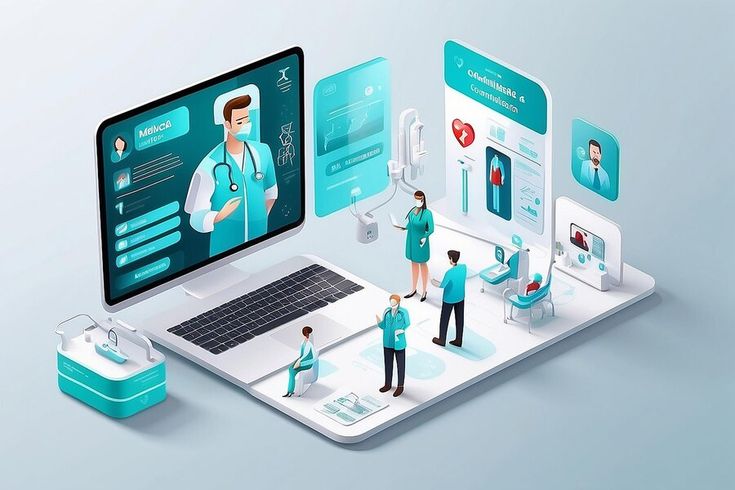


Post-treatment follow-up is a critical stage in patient care, ensuring recovery, monitoring progress, and preventing complications. For healthcare providers, managing follow-ups efficiently can be challenging due to large patient volumes, diverse treatment plans, and the need for timely communication. This is where healthcare CRM (Customer Relationship Management) systems play a transformative role. By automating communication, tracking patient recovery, and centralizing data, CRM solutions help healthcare providers deliver seamless and personalized post-treatment care.
What Is Healthcare CRM?
A healthcare CRM is a specialized system designed to manage patient interactions and administrative processes. Unlike conventional CRMs used in businesses, healthcare CRMs focus on patient-centered workflows. They help clinics and hospitals schedule appointments, store medical records, monitor treatment progress, and communicate effectively with patients.
For post-treatment follow-ups, a CRM acts as a centralized hub that ensures patients receive timely guidance and continuous support throughout their recovery journey.
Simplifying Post-Treatment Communication
Clear and consistent communication is vital after treatment. Patients need reminders about follow-up visits, medication instructions, and guidance on recovery. Healthcare CRM systems facilitate this communication through:
- Automated reminders: SMS, email, or mobile notifications ensure patients never miss appointments.
- Secure messaging: Patients can directly contact healthcare providers for questions or concerns.
- Personalized guidance: Messages are tailored to individual treatment plans for better adherence.
By streamlining communication, CRMs improve patient engagement while reducing the administrative workload for staff.
Tracking Recovery and Progress
Healthcare CRMs allow providers to monitor patient recovery effectively. Key capabilities include:
- Recording follow-up appointments and outcomes.
- Tracking test results, vital signs, and symptom progression.
- Alerting staff to missed appointments or concerning changes in patient health.
This real-time monitoring ensures prompt interventions when necessary, reducing readmissions and supporting better overall outcomes.
Boosting Patient Engagement and Satisfaction
Engaged patients are more likely to follow treatment plans, attend follow-ups, and maintain trust in their healthcare provider. CRM systems enhance engagement by:
- Sharing educational resources relevant to recovery and preventive care.
- Collecting patient feedback through surveys.
- Sending personalized advice and reminders, reinforcing the patient-provider relationship.
Effective engagement builds patient loyalty and promotes positive health outcomes.
Automation for Efficiency
Manual follow-up processes are time-consuming and prone to error. Healthcare CRM systems automate these tasks, allowing staff to focus on clinical care:
- Automatic scheduling of follow-ups based on treatment plans.
- Sending reminders and notifications without manual input.
- Generating analytics and reports to monitor patient progress and staff performance.
Automation ensures timely care, reduces administrative errors, and enhances clinic efficiency.
Integration with Telemedicine and Mobile Platforms
Telemedicine has become increasingly important for post-treatment follow-ups, especially for remote consultations. Healthcare CRM systems integrate with telemedicine platforms and mobile apps, allowing patients to:
- Schedule virtual follow-ups.
- Receive updates on test results and treatment plans.
- Communicate securely with doctors and staff.
This integration ensures continuity of care and convenience, even when patients cannot visit in person.
Data-Driven Insights for Improved Care
Healthcare CRMs provide valuable analytics, helping providers optimize follow-up protocols:
- Identifying trends in recovery rates or complications.
- Adjusting follow-up schedules based on treatment types.
- Allocating staff and resources efficiently.
These insights empower healthcare organizations to improve patient outcomes while maintaining operational efficiency.
Ensuring Security and Compliance
Handling patient data securely is essential. Healthcare CRM systems provide:
- Encrypted storage and secure access to sensitive information.
- Role-based access controls for staff members.
- Compliance with regulations such as HIPAA or local healthcare laws.
Data security ensures patient trust and regulatory adherence.

Conclusion
Healthcare CRM systems play a crucial role in post-treatment follow-up by streamlining communication, tracking recovery, automating tasks, and integrating with telemedicine. These solutions help providers deliver timely, personalized, and effective care while improving operational efficiency and patient satisfaction.
By implementing a robust CRM system, healthcare organizations can ensure that post-treatment care is proactive, organized, and patient-centered—leading to better recovery outcomes, stronger provider-patient relationships, and long-term engagement.