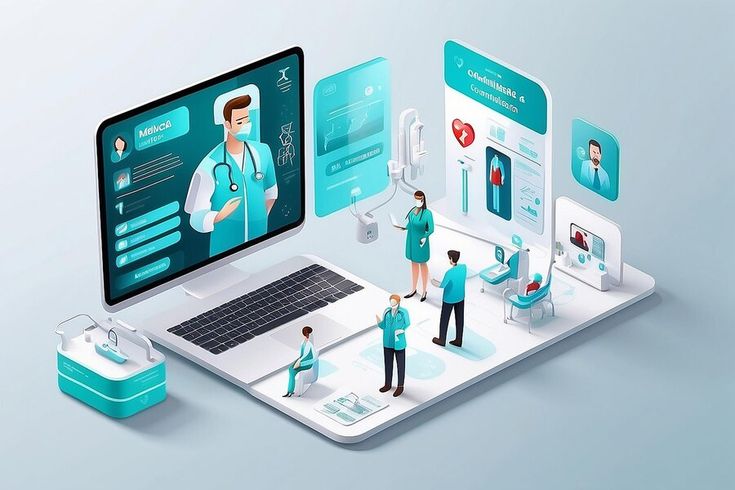

Digital transformation is reshaping the healthcare industry at an unprecedented pace. From patient care and diagnosis to administration and data management, technology is changing how healthcare services are delivered and experienced. Understanding digital transformation in healthcare is essential for organizations aiming to improve efficiency, patient outcomes, and overall quality of care.
What Is Digital Transformation in Healthcare?
Digital transformation in healthcare refers to the integration of digital technologies into all areas of healthcare operations. It goes beyond simply adopting new tools—it involves changing workflows, improving communication, and creating patient-centered systems.
This transformation combines technology, data, and innovation to improve how healthcare providers deliver services while enhancing patient experiences.
Why Digital Transformation Matters
Healthcare systems face increasing challenges such as rising costs, growing patient expectations, staff shortages, and complex regulations. Digital transformation helps address these challenges by improving efficiency, accuracy, and accessibility.
By using digital solutions, healthcare organizations can reduce errors, streamline processes, and deliver more personalized care. It also allows better decision-making through real-time data and analytics.
Key Technologies Driving Healthcare Transformation
Several technologies play a major role in digital transformation within healthcare:
Electronic Health Records (EHRs)
EHRs replace paper records with digital files that store patient history, diagnoses, test results, and treatment plans. They improve data accuracy, reduce duplication, and allow healthcare professionals to access information quickly.
Telemedicine and Virtual Care
Telemedicine enables remote consultations through video calls, mobile apps, and online platforms. This technology improves access to care, especially for patients in remote areas or with limited mobility.
Artificial Intelligence and Data Analytics
AI helps in disease detection, medical imaging, predictive analysis, and treatment planning. Data analytics allows healthcare providers to identify trends, improve outcomes, and manage resources more effectively.
Wearable Devices and Remote Monitoring
Wearables track vital signs such as heart rate, activity levels, and sleep patterns. Remote monitoring helps doctors manage chronic conditions and intervene early when issues arise.
Improving Patient Experience Through Digital Tools
One of the biggest benefits of digital transformation in healthcare is improved patient experience. Online appointment booking, digital prescriptions, and patient portals make healthcare more convenient and transparent.
Patients can access their medical records, communicate with doctors, and manage treatments more easily. This empowerment builds trust and encourages active participation in health management.
Enhancing Operational Efficiency
Digital systems automate administrative tasks such as billing, scheduling, and documentation. This reduces manual work, minimizes errors, and allows staff to focus more on patient care.
Healthcare organizations that embrace digital transformation often experience better workflow management and cost savings. Improved efficiency leads to faster service delivery and reduced waiting times.
Data Security and Privacy Challenges
While digital transformation brings many benefits, it also raises concerns about data security and privacy. Healthcare data is highly sensitive and must be protected against breaches and misuse.
Organizations must implement strong cybersecurity measures, comply with regulations, and ensure secure data storage and access. Trust is essential for successful digital healthcare systems.
Challenges in Digital Transformation
Despite its advantages, digital transformation in healthcare faces several challenges:
- Resistance to change from staff and organizations
- High implementation and maintenance costs
- Integration issues with existing systems
- Data privacy and compliance concerns
Overcoming these challenges requires strategic planning, staff training, and long-term commitment.
The Role of Training and Culture
Technology alone cannot drive transformation. Healthcare professionals must be trained to use digital tools effectively. Building a digital-friendly culture encourages innovation and acceptance of new systems.
Leadership plays a key role in guiding change, setting goals, and ensuring collaboration between medical and technical teams.
Future of Digital Healthcare
The future of healthcare is increasingly digital. Innovations such as personalized medicine, AI-driven diagnostics, and smart hospitals will continue to evolve.
Digital transformation will enable predictive care, improved population health management, and better patient outcomes. Organizations that adapt early will be better positioned to meet future healthcare demands.
Conclusion
Understanding digital transformation in healthcare is essential for navigating the evolving medical landscape. By adopting digital technologies, healthcare organizations can improve patient care, increase efficiency, and make informed decisions.
While challenges exist, the benefits of digital transformation far outweigh the obstacles. With the right strategy, technology, and mindset, healthcare systems can create a more connected, efficient, and patient-focused future.