Why CRM Is Essential for Modern Clinics
Modern clinics are expected to provide more than quality medical care—they must also deliver a seamless, personalized, and efficient patient

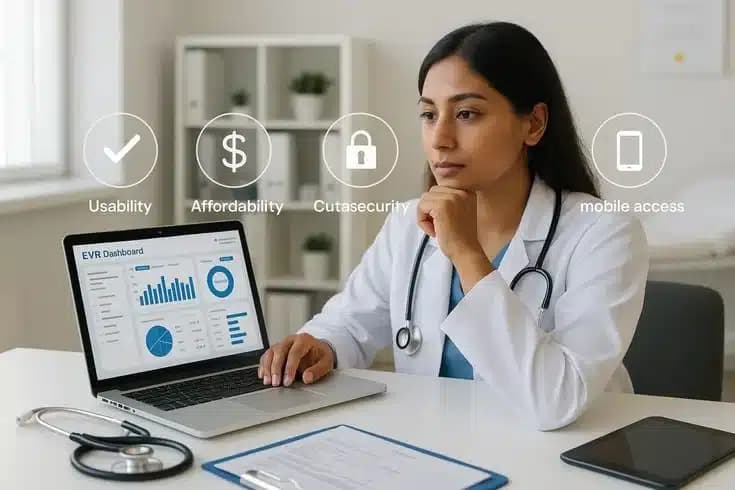
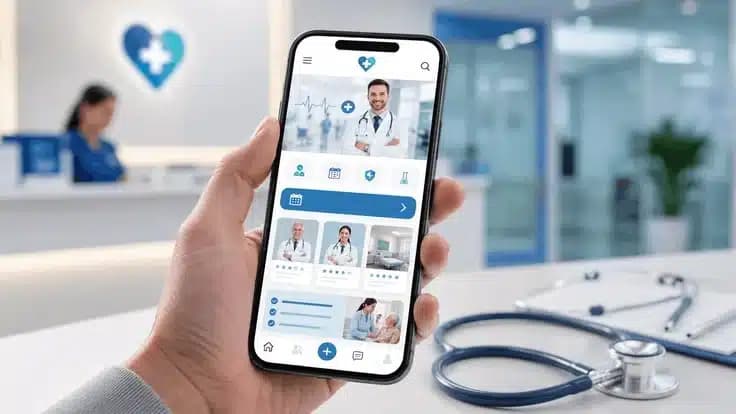
Modern clinics are expected to provide more than quality medical care—they must also deliver a seamless, personalized, and efficient patient experience. From appointment scheduling and follow-up care to patient communication and data management, clinics handle numerous interactions every day. Managing these processes manually can lead to missed appointments, communication gaps, and administrative inefficiencies. This is why understanding Why CRM Is Essential for Modern Clinics is crucial for healthcare providers aiming to improve patient care and streamline operations.
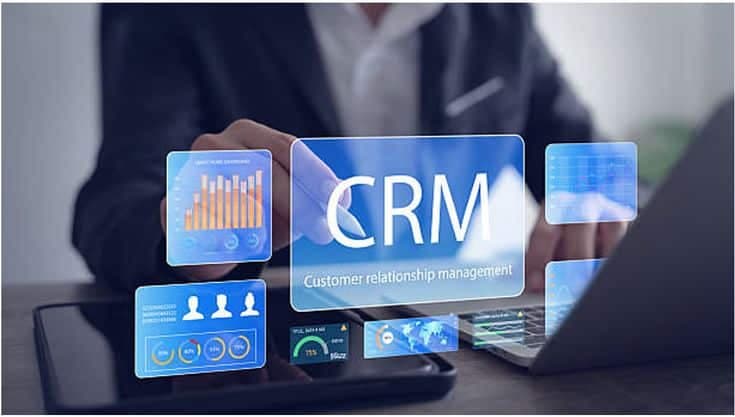
A Healthcare Customer Relationship Management (CRM) system helps clinics centralize patient information, automate routine tasks, enhance communication, and strengthen long-term patient relationships. By integrating these capabilities into daily operations, clinics can improve efficiency while delivering exceptional patient experiences.
What Is a Healthcare CRM?
A Healthcare CRM is a software platform designed to manage patient relationships throughout the entire healthcare journey. It stores patient information securely while supporting appointment scheduling, automated reminders, patient communication, feedback collection, marketing campaigns, and reporting.
Unlike traditional patient management systems, a CRM focuses on improving engagement and building stronger relationships with patients before, during, and after treatment.
Why Modern Clinics Need a CRM
As patient expectations continue to evolve, clinics need digital solutions that improve service quality and operational efficiency.
A CRM helps clinics:
- Deliver personalized patient experiences
- Improve communication
- Reduce administrative workload
- Increase appointment attendance
- Strengthen patient loyalty
- Support long-term business growth
By automating repetitive tasks and organizing patient information, clinics can focus more on providing quality healthcare.
Key Benefits of CRM for Modern Clinics
1. Centralized Patient Information
A CRM stores patient details in one secure platform, including:
- Contact information
- Appointment history
- Treatment records
- Communication history
- Preferences
- Follow-up schedules
Quick access to this information allows clinic staff to provide faster and more personalized service.
2. Automated Appointment Scheduling and Reminders
Manual appointment management often leads to scheduling conflicts and missed visits.
A CRM automates:
- Appointment booking
- Confirmation messages
- Reminder notifications
- Rescheduling requests
- Follow-up appointments
Automated reminders sent through SMS, email, or mobile apps reduce no-show rates and improve clinic efficiency.
3. Better Patient Communication
Consistent communication builds trust and keeps patients informed throughout their care journey.
Healthcare CRM systems enable clinics to send:
- Appointment confirmations
- Treatment updates
- Prescription reminders
- Preventive care notifications
- Wellness tips
- Follow-up instructions
Personalized communication improves patient satisfaction and encourages ongoing engagement.
4. Improved Patient Retention
Retaining existing patients is often more cost-effective than acquiring new ones.
CRM systems help clinics strengthen relationships by:
- Sending personalized follow-ups
- Offering preventive care reminders
- Collecting patient feedback
- Sharing health education resources
- Providing timely updates
These interactions encourage patients to return for future care.
5. Enhanced Operational Efficiency
Administrative tasks consume valuable staff time.
CRM automation helps reduce manual work by managing:
- Appointment scheduling
- Communication workflows
- Patient follow-ups
- Marketing campaigns
- Reporting and analytics
This allows clinic staff to focus more on patient care and less on repetitive administrative tasks.
6. Data-Driven Decision Making
Healthcare CRM systems generate reports that help clinics understand patient behavior and operational performance.
Clinics can monitor:
- Appointment attendance
- Patient satisfaction
- Communication effectiveness
- Marketing campaign performance
- Patient retention rates
These insights support informed business decisions and continuous improvement.
7. Better Team Collaboration
A centralized CRM enables doctors, nurses, receptionists, and administrative staff to access the same patient information.
Benefits include:
- Improved communication
- Faster information sharing
- Better care coordination
- Reduced duplication of work
- More efficient workflows
Better collaboration contributes to improved patient outcomes.
8. Secure Patient Data Management
Protecting patient information is a top priority for every clinic.
Healthcare CRM systems include features such as:
- Data encryption
- Role-based access controls
- Audit logs
- Secure backups
- Compliance with healthcare regulations
Strong security measures build patient trust and help clinics meet regulatory requirements.
Best Practices for Implementing CRM in Clinics
To maximize the benefits of a Healthcare CRM:
- Keep patient records accurate and up to date.
- Train staff thoroughly on CRM features.
- Automate routine communication.
- Personalize patient interactions.
- Integrate CRM with electronic health record (EHR) systems.
- Monitor patient feedback regularly.
- Review CRM reports and analytics.
- Protect patient privacy through strong security measures.
- Continuously improve workflows based on insights.
- Focus on delivering patient-centered care.
Following these best practices ensures successful CRM adoption and long-term value.
Future of CRM in Modern Clinics
Healthcare CRM technology continues to evolve with advanced capabilities such as:
- Artificial Intelligence (AI)-powered chatbots
- Predictive patient analytics
- Automated care coordination
- Telemedicine integration
- Voice-enabled patient support
- Personalized treatment recommendations
- Remote patient monitoring
These innovations help clinics provide more efficient, proactive, and personalized healthcare services.
Understanding Why CRM Is Essential for Modern Clinics is key to delivering exceptional patient care in today's healthcare environment. A Healthcare CRM enables clinics to streamline operations, improve communication, automate administrative tasks, and create personalized patient experiences that build trust and loyalty.
By centralizing patient information, reducing manual workloads, and providing valuable insights into clinic performance, CRM systems help healthcare providers operate more efficiently while improving patient satisfaction. As technology and patient expectations continue to evolve, investing in a modern CRM solution will remain a strategic advantage for clinics seeking sustainable growth and long-term success.
The Doctorna editorial desk writes about healthcare operations, patient experience and the systems clinics use to connect them.