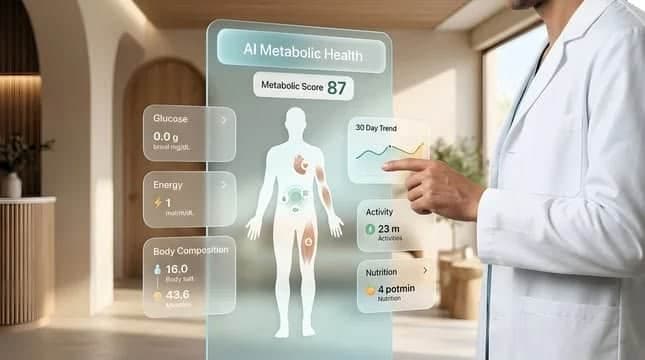
Customizing CRM for Healthcare Needs
Healthcare organizations today operate in a highly demanding environment where patient expectations, compliance requirements, and administrative workloads continue to grow.


Healthcare organizations today operate in a highly demanding environment where patient expectations, compliance requirements, and administrative workloads continue to grow. A standard CRM system may help manage contacts and communication, but healthcare providers need more than a basic solution. They need a system tailored to patient care, clinical workflows, and secure data management. This is why Customizing CRM for Healthcare Needs has become an important strategy for modern clinics, hospitals, and specialty practices.
A customized healthcare CRM helps providers deliver better patient engagement, improve operational efficiency, and support personalized care. By adapting CRM features to match the unique needs of healthcare organizations, providers can create a smarter and more effective system for managing patient relationships.
What Does Customizing CRM for Healthcare Needs Mean?
Customizing CRM for Healthcare Needs means modifying a CRM platform to support the specific workflows, goals, and compliance requirements of healthcare providers. Instead of using a generic CRM system, hospitals and clinics can adjust features such as patient segmentation, appointment management, communication tools, reporting dashboards, and automation workflows to fit their operations.
This customization helps healthcare teams manage patients more efficiently while maintaining a high standard of service and security.
Why Healthcare Providers Need Customized CRM Solutions
Healthcare is different from other industries because it involves sensitive patient information, complex scheduling, multiple departments, and ongoing follow-up care. A generic CRM may not fully support these needs.
A customized CRM helps healthcare providers:
- Improve patient communication
- Automate appointment and follow-up workflows
- Organize patient data securely
- Segment patients for targeted engagement
- Support regulatory compliance
- Enhance collaboration across teams
- Improve patient retention and satisfaction
By tailoring CRM features to healthcare operations, providers can create a more practical and effective system.
Key Areas of CRM Customization in Healthcare
1. Patient Data Management
One of the most important parts of Customizing CRM for Healthcare Needs is organizing patient data in a way that is easy to access and secure.
Healthcare CRMs can be customized to store:
- Patient contact details
- Appointment history
- Treatment records
- Communication preferences
- Follow-up notes
- Referral sources
- Billing-related information
This creates a complete patient profile that supports better communication and personalized care.
2. Appointment Scheduling Workflows
Healthcare organizations often deal with high appointment volumes and frequent rescheduling. A customized CRM can automate and simplify scheduling workflows.
Custom features may include:
- Online appointment booking
- Automated confirmation messages
- Reminder scheduling
- Waitlist management
- Rescheduling options
- Specialist referral booking
These features help reduce no-shows and make the patient experience smoother.
3. Patient Communication Channels
Different healthcare organizations communicate with patients in different ways. Some rely heavily on SMS, while others use email, WhatsApp, or patient portals. CRM customization makes it possible to integrate the most effective communication channels.
A customized healthcare CRM can send:
- Appointment reminders
- Test result notifications
- Follow-up instructions
- Preventive care alerts
- Health education messages
- Satisfaction surveys
This improves patient engagement and ensures communication feels timely and relevant.
4. Automated Follow-Up Systems
Follow-up care is essential in healthcare. A customized CRM can automate follow-up workflows based on the type of service a patient received.
Examples include:
- Post-treatment check-ins
- Medication reminders
- Recovery updates
- Chronic care follow-ups
- Review requests
- Routine recall reminders
These automated workflows help providers stay connected with patients after their visit and improve continuity of care.
5. Patient Segmentation
Not all patients require the same communication. A customized CRM allows healthcare organizations to group patients based on their needs, history, or behavior.
Examples of patient segments include:
- New patients
- Inactive patients
- Pediatric patients
- Chronic care patients
- Dental patients
- Wellness program participants
- Referral sources
Segmentation helps healthcare providers send more personalized and effective messages.
6. Reporting and Analytics
A customized CRM can include dashboards and reports that reflect healthcare-specific goals. Instead of generic sales metrics, providers can track data that matters to patient care and practice performance.
Useful reports may include:
- Appointment attendance rates
- No-show statistics
- Follow-up completion rates
- Patient retention trends
- Campaign performance
- Referral conversion rates
- Service demand patterns
These insights help healthcare leaders make better decisions and improve outcomes.
7. Team Collaboration Features
Healthcare services often involve collaboration between reception staff, nurses, doctors, and administrators. A customized CRM can support this teamwork by giving each user access to the right information.
Features may include:
- Task assignment
- Internal notes
- Role-based access
- Shared patient timelines
- Department-specific workflows
This improves communication within the organization and reduces confusion.
8. Security and Compliance
One of the most important parts of healthcare CRM customization is security. Patient data must be protected with strong controls and compliance-ready features.
A customized CRM should support:
- User authentication
- Role-based permissions
- Data encryption
- Access logs
- Backup systems
- Regulatory compliance requirements
Security customization is essential for protecting sensitive health information and building patient trust.
Benefits of Customizing CRM for Healthcare Needs
A tailored CRM system can provide many advantages for healthcare providers.
Better Patient Experience
Patients receive faster responses, more personalized communication, and smoother service.
Improved Efficiency
Automation reduces manual work and allows staff to focus more on patient care.
Stronger Patient Retention
Follow-ups, reminders, and re-engagement campaigns help keep patients connected to the practice.
Better Coordination
Departments can work together more effectively when they use one shared system.
More Informed Decisions
Analytics and reporting help healthcare leaders understand patient behavior and business performance.
Challenges in CRM Customization
While customization offers many benefits, it must be planned carefully.
Common challenges include:
- Choosing the right CRM platform
- Managing implementation costs
- Training staff properly
- Maintaining data security
- Avoiding overcomplicated workflows
- Ensuring integration with other healthcare systems
A successful customization strategy should balance flexibility, usability, and compliance.
Best Practices for Customizing CRM for Healthcare Needs
To get the most from a healthcare CRM, organizations should:
- Identify specific workflow requirements
- Involve clinical and administrative teams in planning
- Prioritize patient privacy and data security
- Keep the interface simple and user-friendly
- Automate repetitive but important tasks
- Test workflows before full deployment
- Monitor performance and refine processes regularly
These steps help ensure the CRM supports real healthcare needs instead of adding unnecessary complexity.
Customizing CRM for Healthcare Needs is essential for organizations that want to improve patient engagement, streamline workflows, and deliver better care. A customized CRM helps healthcare providers manage communication, automate follow-ups, segment patients, and maintain secure, organized records.
By tailoring CRM features to the unique needs of healthcare, providers can build stronger patient relationships and improve operational performance. In today’s digital healthcare environment, customization is not just a technical improvement. It is a strategic step toward more efficient, patient-centered care.
The Doctorna editorial desk writes about healthcare operations, patient experience and the systems clinics use to connect them.